Local Food Economy
Hospitality for the Future: A hopeful conversation for Bristol’s hospitality industry
By Anna Wade
Local Food Economy
By Anna Wade
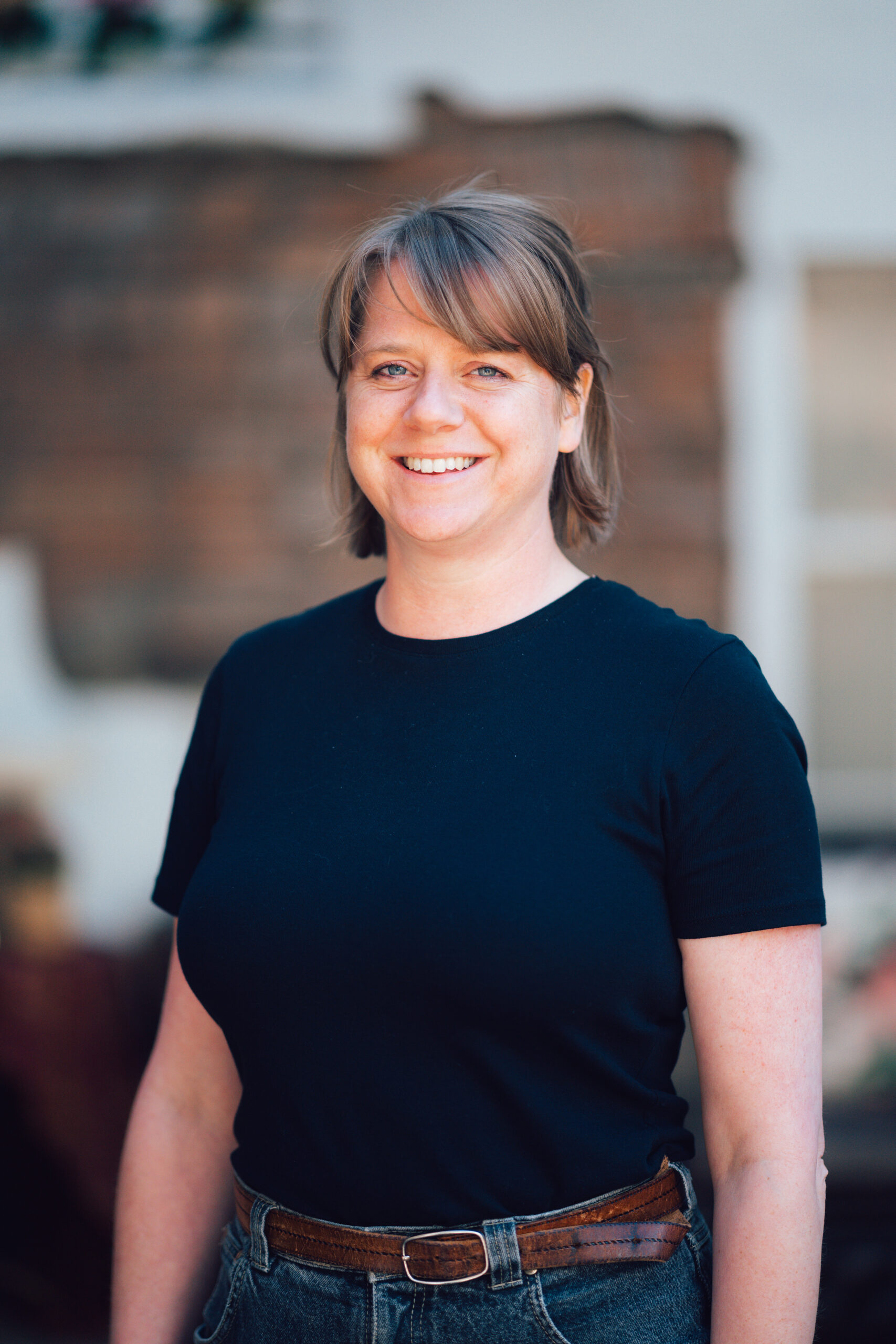
Anna Wade, Bristol Food Network’s new Communications and Engagement Coordinator reports on the launch event of this new series, bringing the hospitality sector together to tackle the challenges that matter right now. If you work in hospitality, read on to find out how you can get involved.
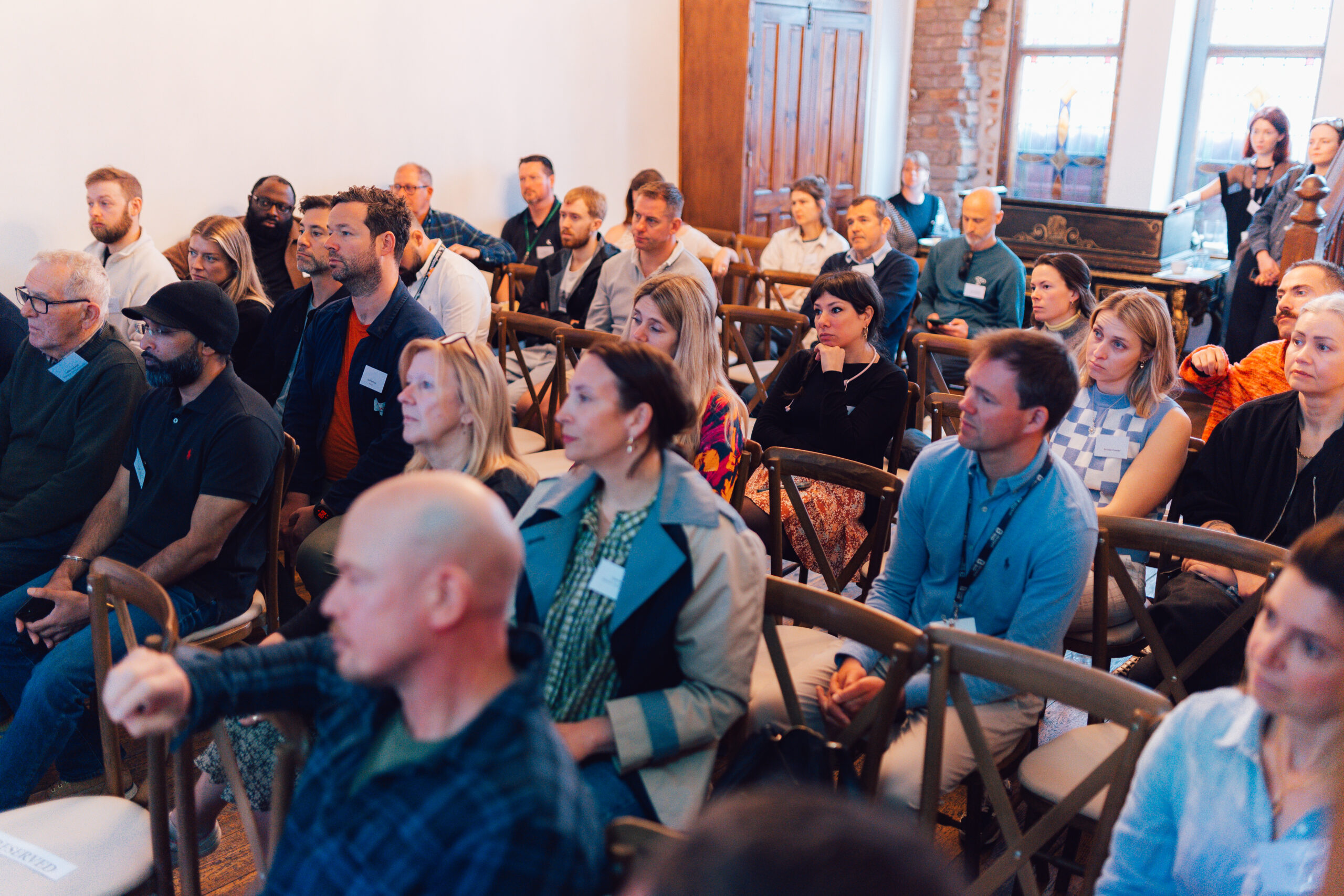
In my second week of work as Communications and Engagement Coordinator for Bristol Good Food 2030, I attended the inaugural “Hospitality for the Future” event series hosted by Bristol Food Network and Bristol BID in the beautiful surroundings of the Radnor Rooms. It was a brilliant introduction to Bristol’s hospitality sector and an opportunity to hear honest conversations about some of the biggest challenges facing the industry today. From the moment I arrived, it was clear how much passion and experience was gathered in the room.
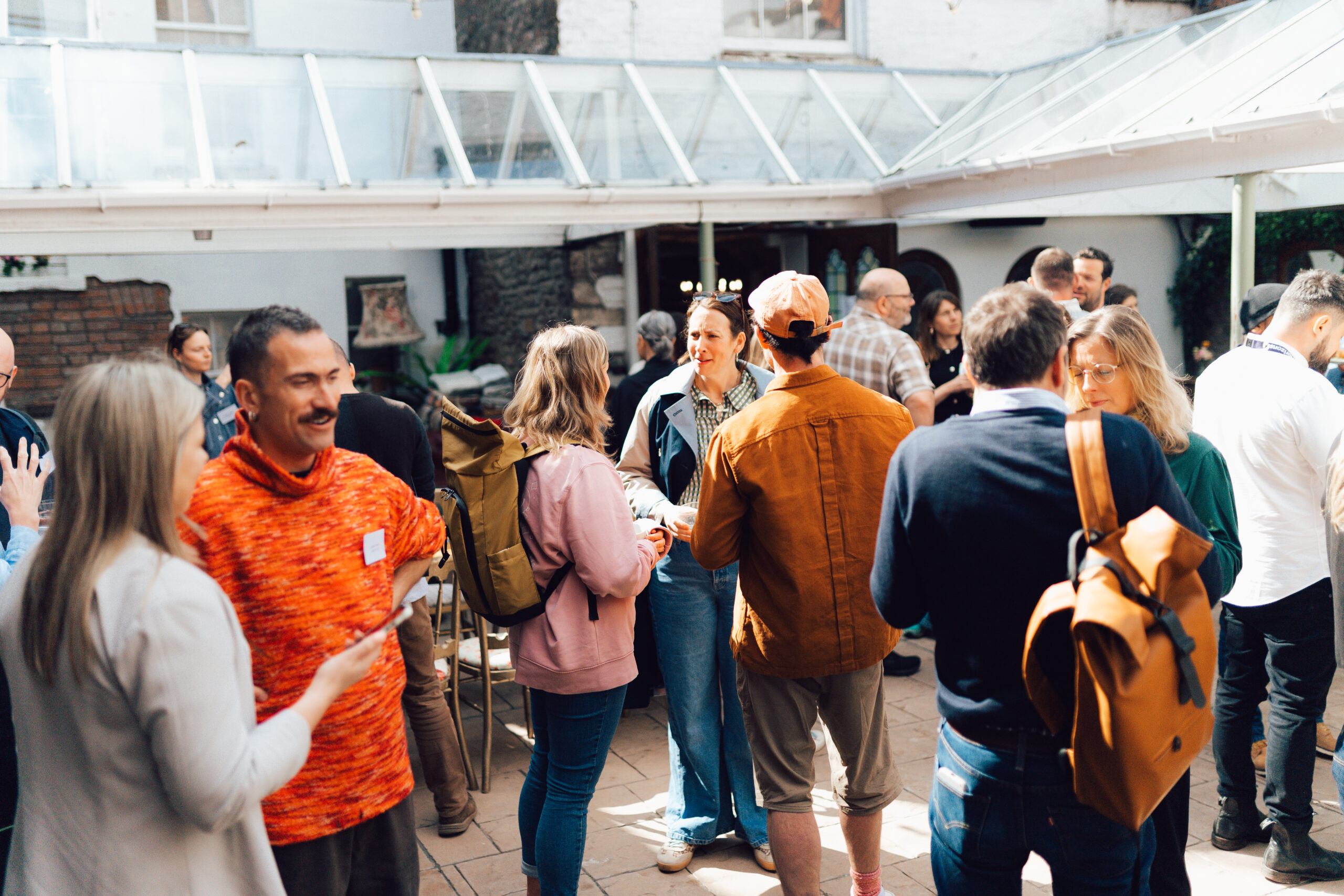
If the walls of the Radnor Rooms could talk, they would undoubtedly have countless stories to tell about the comings and goings of hospitality in Bristol over the past two centuries. Bringing together people from across Bristol’s expansive hospitality sector, the event in this beautiful and welcoming venue focused on a pressing theme: “Hospitality that Works for Everyone” discussing the realities of recruitment, staff retention and wellbeing. With passionate and raw insights from the guest speakers, along with the room filled with industry leaders and experts.
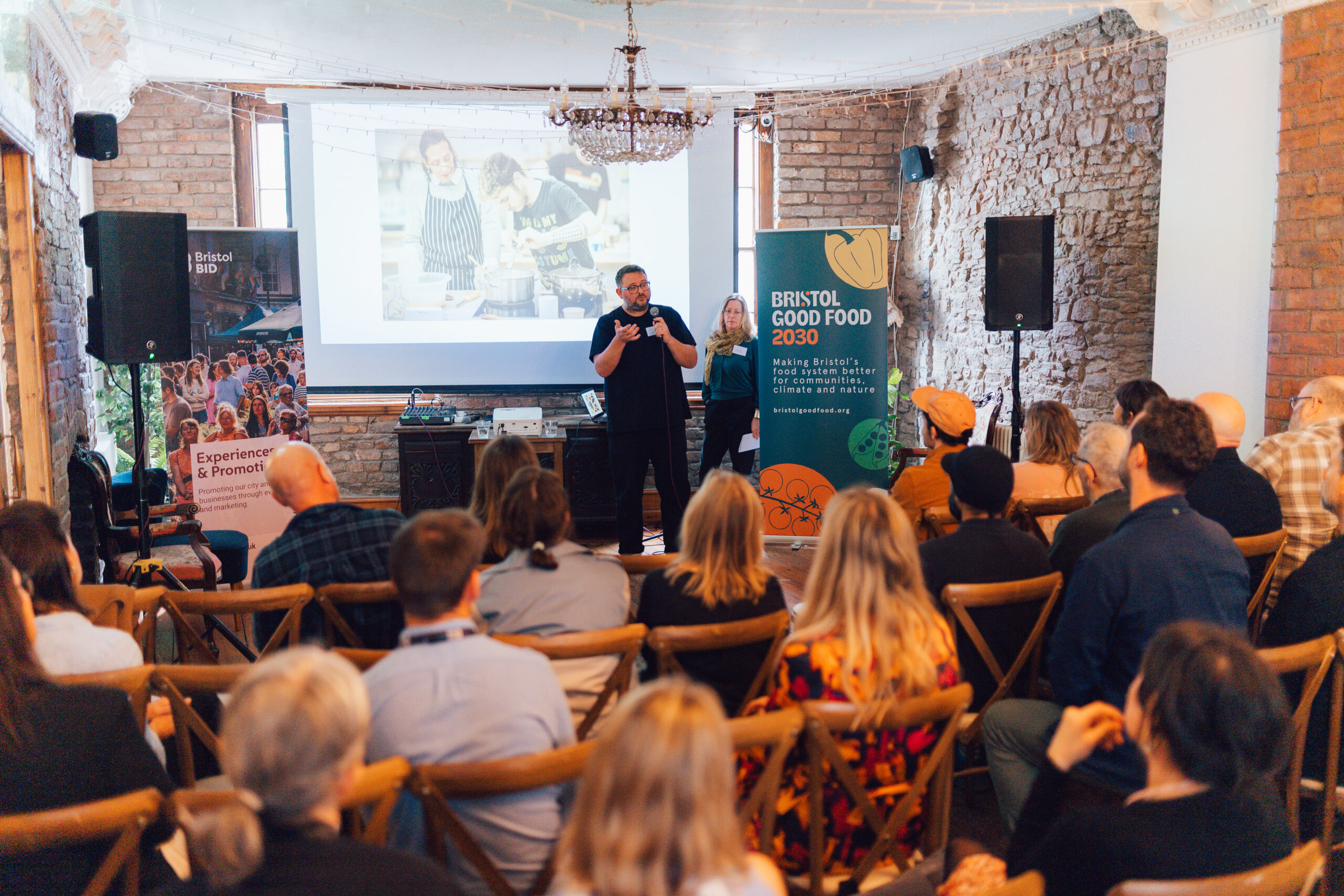
First to speak was Dan Ford, Head of Partnerships at Square Food Foundation. Dan shared insights into the organisation’s work creating accessible routes into hospitality for young people aged 16–25, particularly those not currently in education or employment.
Rather than focusing solely on culinary skills, Dan explained that much of the Foundation’s work begins with rebuilding confidence and resilience. “People are further behind than they were pre-Covid,” he noted, describing the growing challenges around motivation, self-esteem and social confidence among young people.
Through cookery courses open to people from all walks of life, the organisation uses food as a tool for connection, confidence-building and life skills development. Only after establishing these foundations do many participants move on to the Foundation’s “How to Be a Chef” programme.
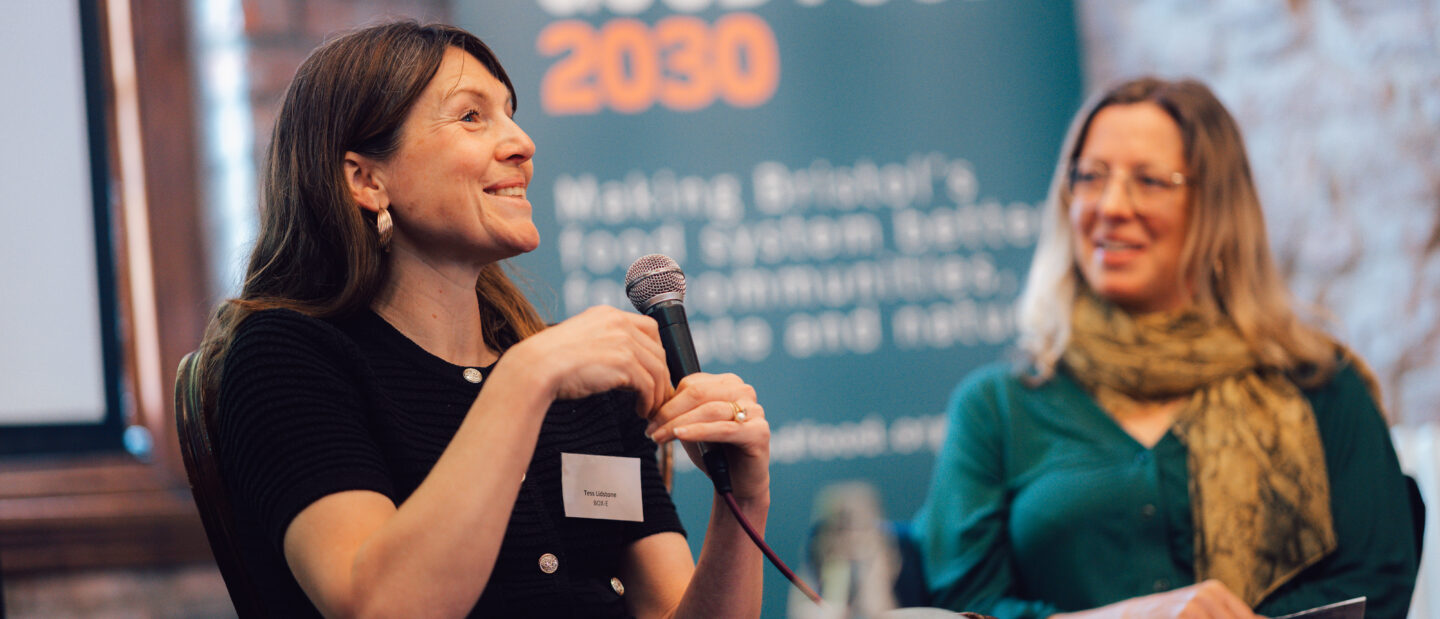
Next, Tess Lidstone from BOX-E shared a refreshingly human approach to staff retention and workplace culture. Speaking openly about her experiences running the restaurant for the past decade, Tess explained that while she does not claim to be an “expert” in retention, BOX-E has succeeded in creating a workplace where people genuinely want to stay.
The restaurant operates a four-day working week, offers set shifts and is committed to paying staff above the living wage. These measures, she explained, help employees maintain a healthy work-life balance and provide reassurance during a challenging cost-of-living period.
Yet for Tess, the less tangible elements of workplace culture matter just as much. Creating an environment where people feel valued, respected and comfortable asking questions is central to the restaurant’s philosophy. “You’re not employing robots,” she reflected. “You’re employing individuals.”
Her comments resonated strongly throughout the room, particularly her emphasis on kindness, positive leadership and respecting staff time away from work.
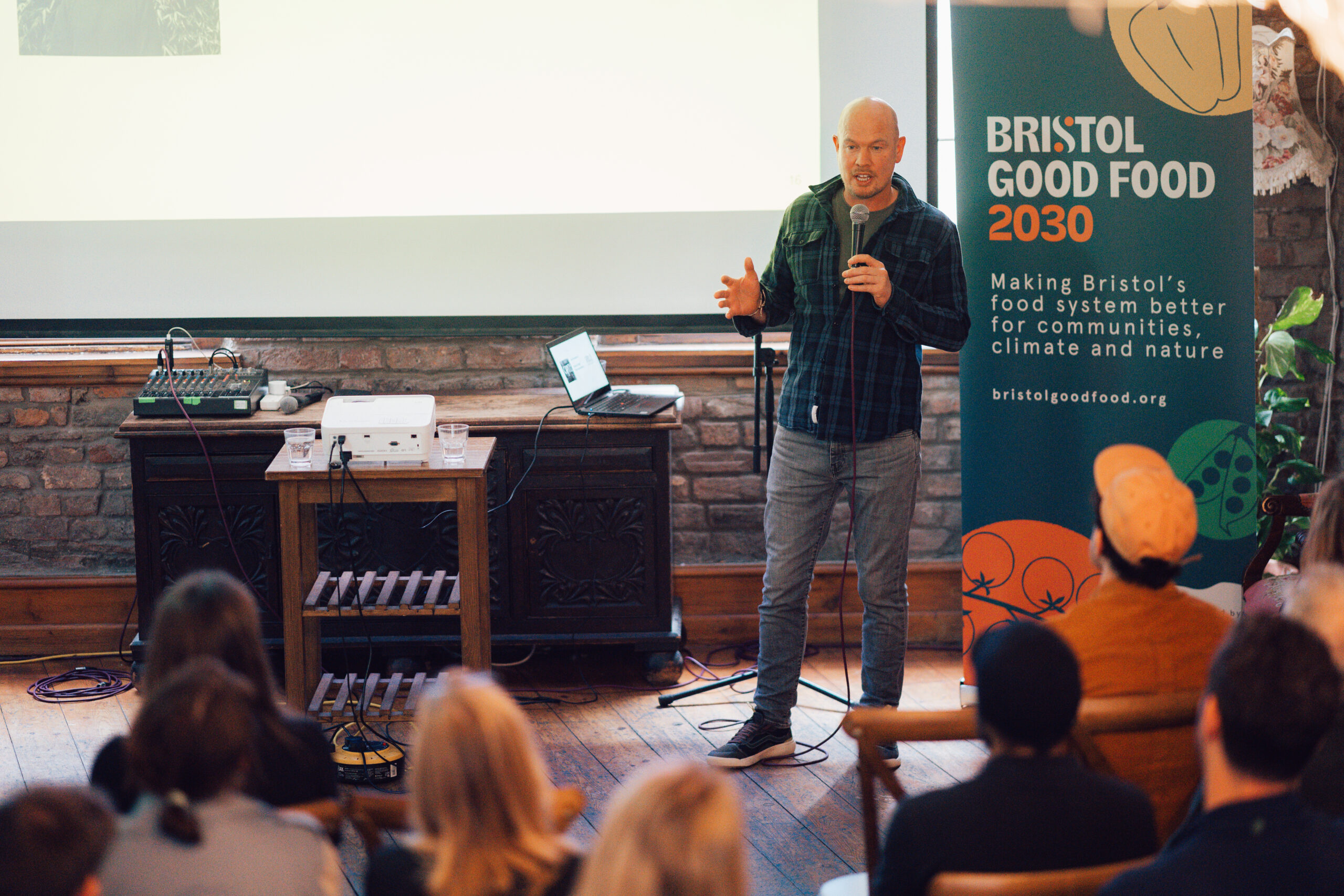
The final speaker, Jez Kynaston, Managing Director of The Assemblies, brought a practical perspective on wellbeing in hospitality. Drawing on 30 years in the industry, Jez reflected on the long-hours culture that once dominated hospitality, where 50–60 hour weeks were commonplace and burnout was often ignored.
Today, his approach is significantly different. Across venues including Old Market Assembly, The Canteen and No. 1 Harbourside, wellbeing is treated as an essential part of business operations.
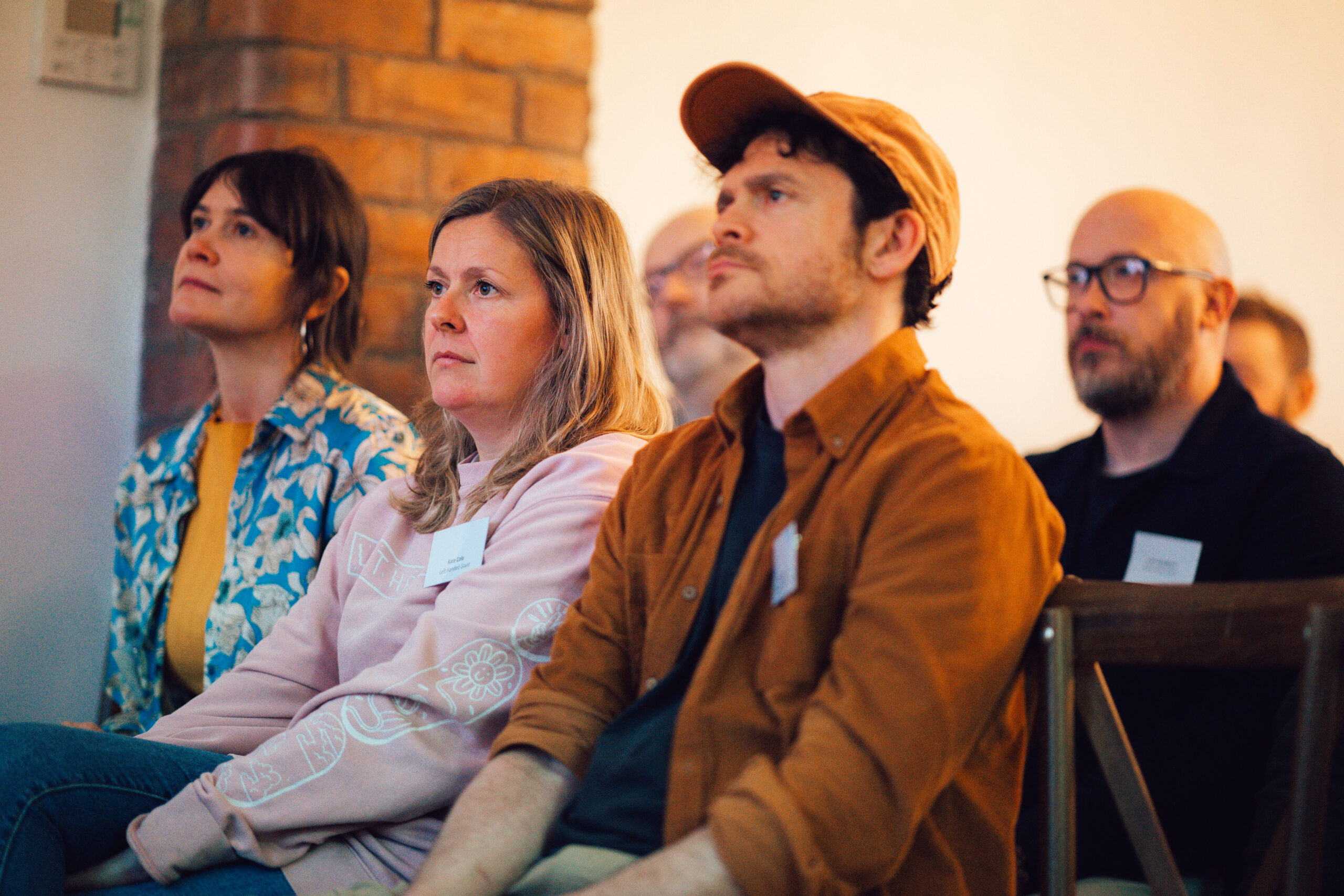
Measures such as capped working hours, free staff meals, mental health first aiders and access to external support through Burnt Chef Project’s Employee Assistance Programme all aim to create healthier workplaces. The company also offers wellbeing sessions, including yoga and meditation, recognising that prevention is just as important as support during moments of crisis.
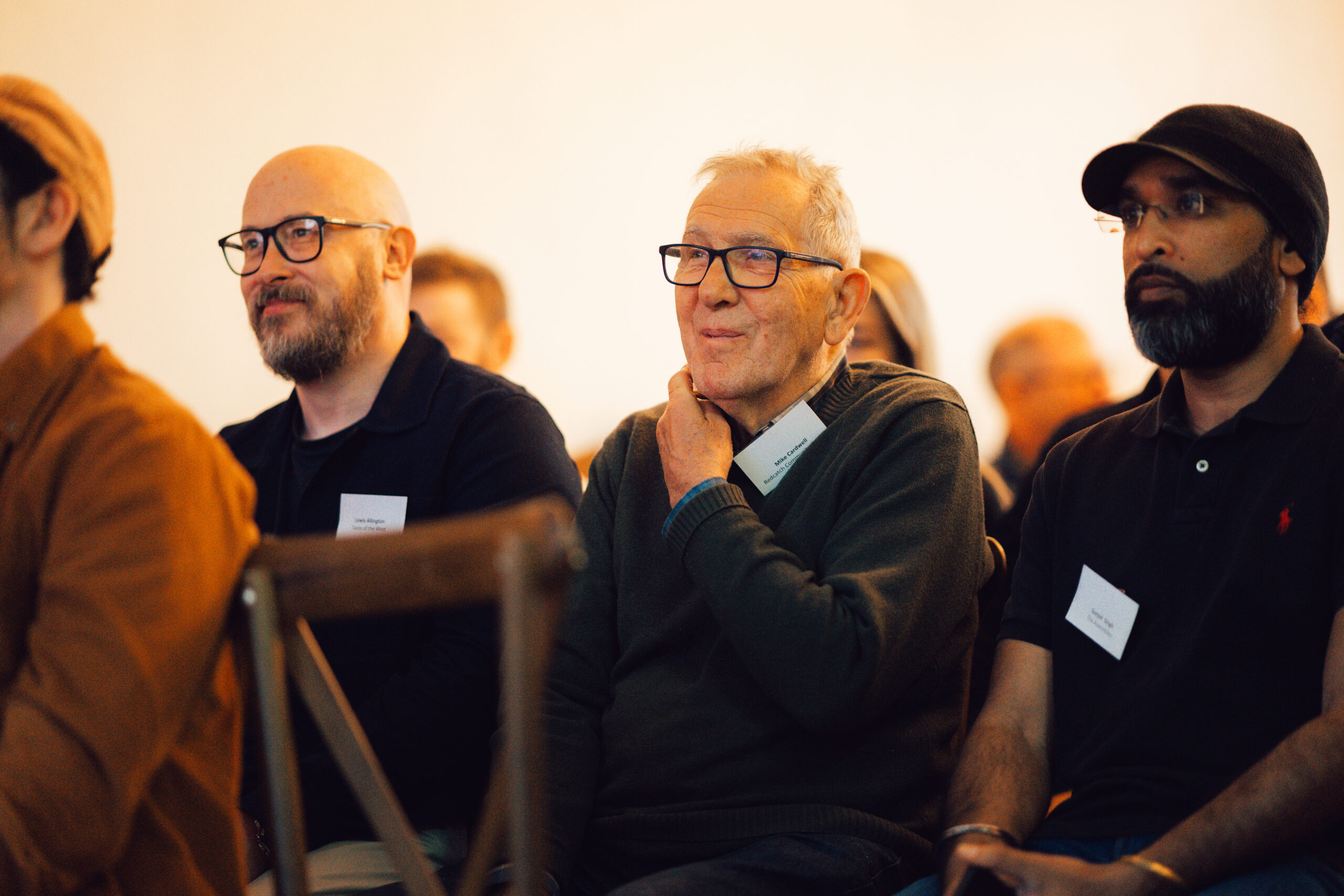
In the panel and audience discussions that followed, a strong theme of ‘what’s next’ arose. When asked what steps both national and local government could do to support access into the hospitality industry for young people Dan, praised the South Bristol Youth Guarantee Scheme, which helps young people with applications, transport and work placements while supporting businesses financially to provide opportunities. All panellists stressed the importance of mentorship, trust and inspiring young people through food education and real industry experiences. When local and central government step in with valuable initiatives, they lay the foundations for wider access into a rewarding career in hospitality for young people.
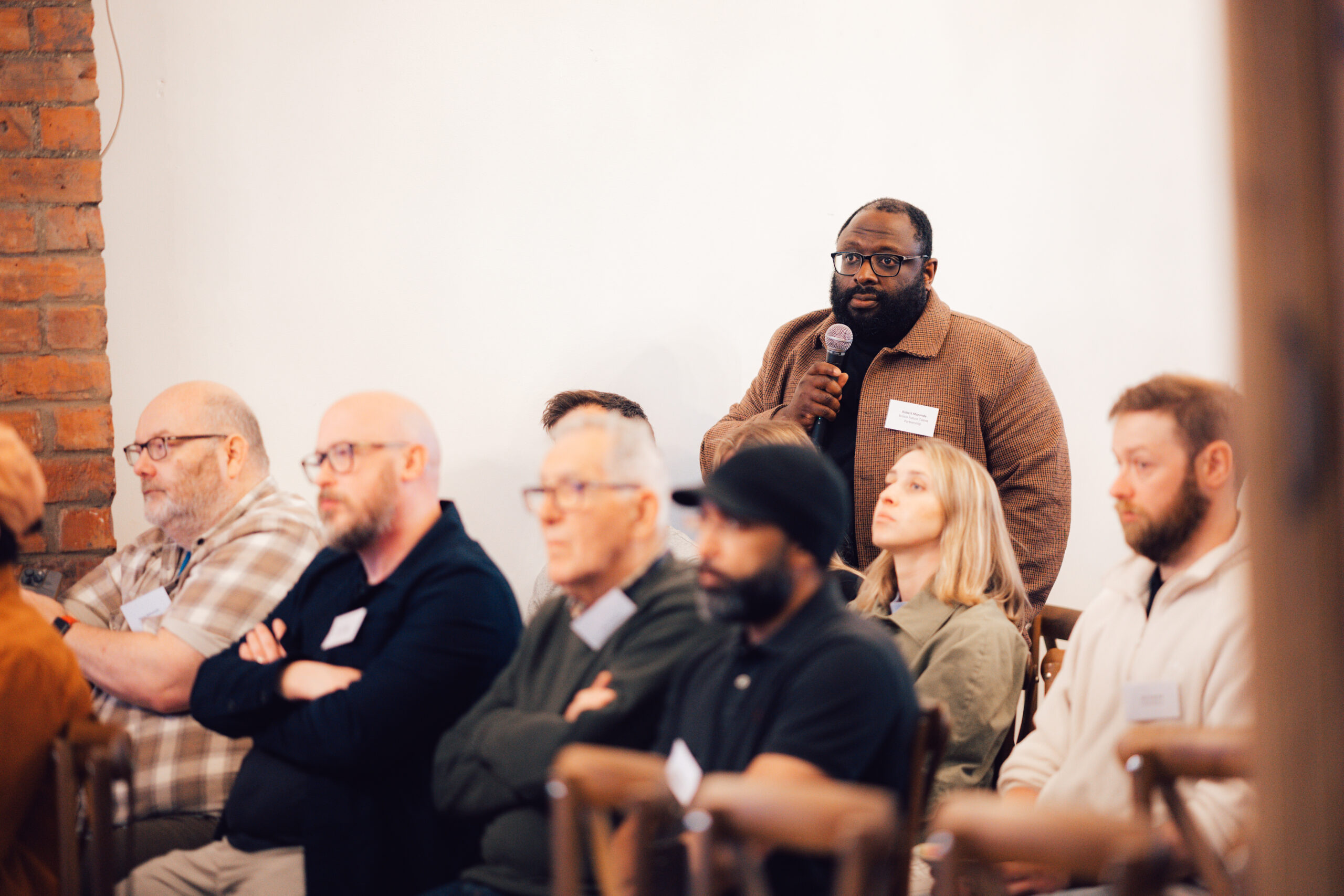
What emerged from the session was a collective sense that Bristol’s hospitality industry is evolving, moving towards a future where staff wellbeing is the central focus for a successful and resilient business model.
Sabrina Shutter, Senior Events Project Manager at Bristol BID, said, “It was fantastic to see so many hospitality businesses attend the first event in our Hospitality for the Future series. The turnout really demonstrated how valuable and needed knowledge sharing events like this are for the sector, giving businesses the opportunity to learn from one another, share experiences and discuss the challenges they are facing.
The feedback from attendees has been incredibly positive and there was a real sense of energy and enthusiasm in the room throughout the event. It was particularly encouraging to see so many people openly exchanging ideas and making new connections, which we hope will lead to future collaborations across the sector.
I was especially pleased that our first discussion focused on recruitment, retention and staffing. The conversations throughout the event highlighted just how much people across the hospitality industry genuinely care about supporting their teams and creating better workplaces for the future.”
The next event ‘Reducing Waste, Reduce Costs’ will take place between 10am – 12pm on 7 July – to register for free, head to the Humanitix website.
Anna Wade is Bristol Good Food 2030’s new Comms & Engagement Coordinator. Anna also works part-time as Head of Comms for Food at the Soil Association, delivering comms strategy for Sustainable Food Places and Food for Life.
To stay updated on future events, job opportunities and news, don’t forget to sign up for the Bristol Good Food Update at bristolgoodfood.org/newsletter.
Photography by Chris Cooper.
So, what change do you want to see happen that will transform food in Bristol by 2030? Do you already have an idea for how Bristol can make this happen? Join the conversation now.
* Required field
Local Food Economy
Local Food Economy
Local Food Economy
Local Food Economy


