Food Justice
Bristol’s social supermarkets
By Anna Linehan
Food Justice
By Anna Linehan
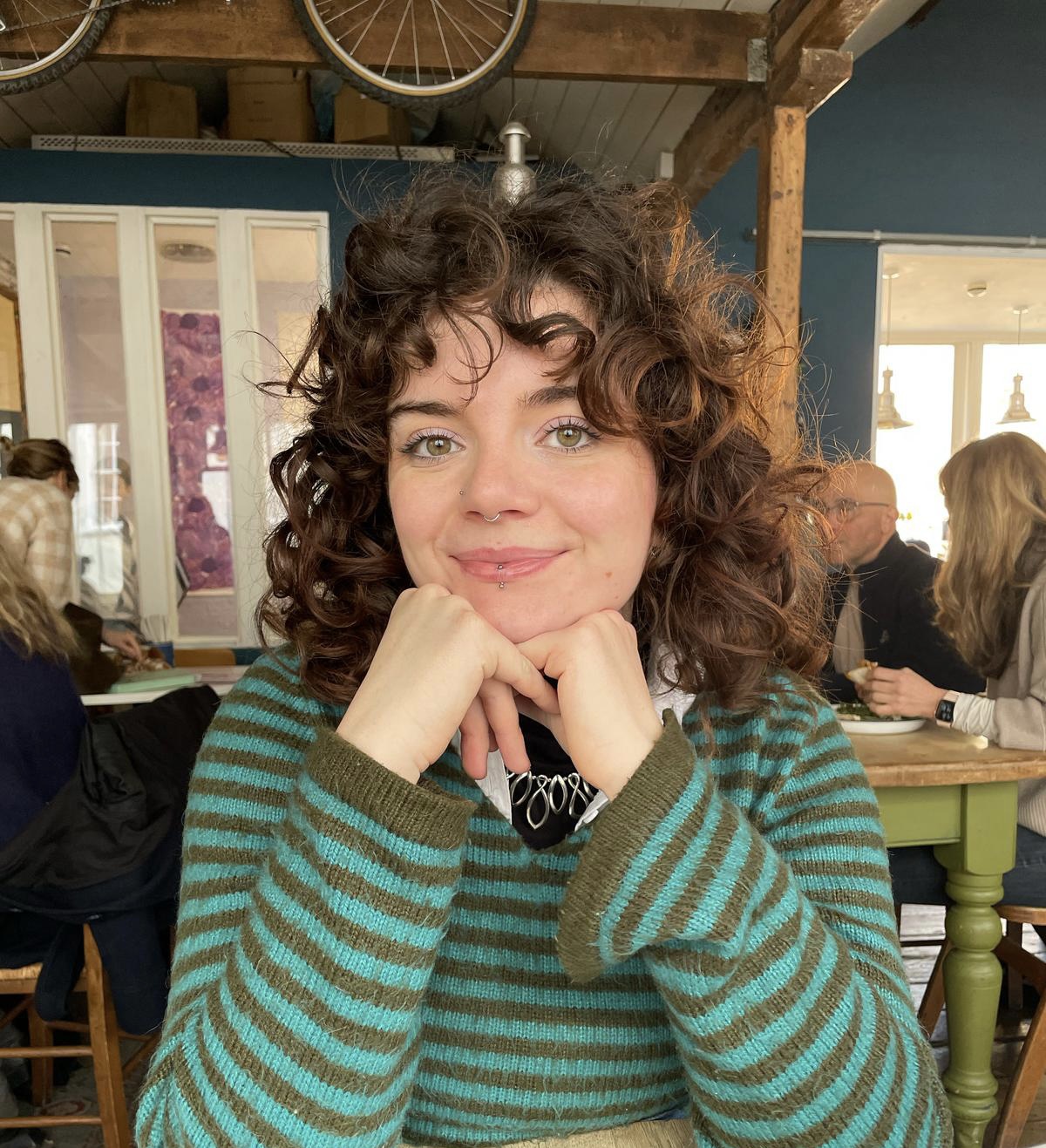
Bristol Food Network volunteer Anna Linehan explores Bristol’s social supermarkets, highlighting where to access support and how, if you’re able, you can contribute to this essential work.
I spent a Friday afternoon at the BS3 Community Food Club to get an insight into how Bristol’s social supermarkets operate. This initiative moves beyond the essentials, with bunches of daffodils and seasonal veg grown at local allotments on offer, and the organiser, Jackie Smith, is usually busy greeting members by name over a mug of tea. It’s a setup designed around food justice; here, the focus being on restoring the dignity of choice.
New research published in Environmental Research: Food Systems by Taylor et al. (2025) suggests that for many, these projects feel like a privilege. By focusing on agency and social connection, these spaces become community hubs that represent a deliberate move toward a more equitable food system, ensuring that quality and variety are not secondary to affordability. To gain a local perspective, I spoke with three Bristol locals working at the heart of the city’s social supermarkets to understand how they are bridging the gap between traditional retail and community support.
With the autonomy of holding the shopping basket, the social supermarket flips the script of traditional food support models. While each initiative follows slightly different frameworks, there is a common goal of restoring choice to the shopper.
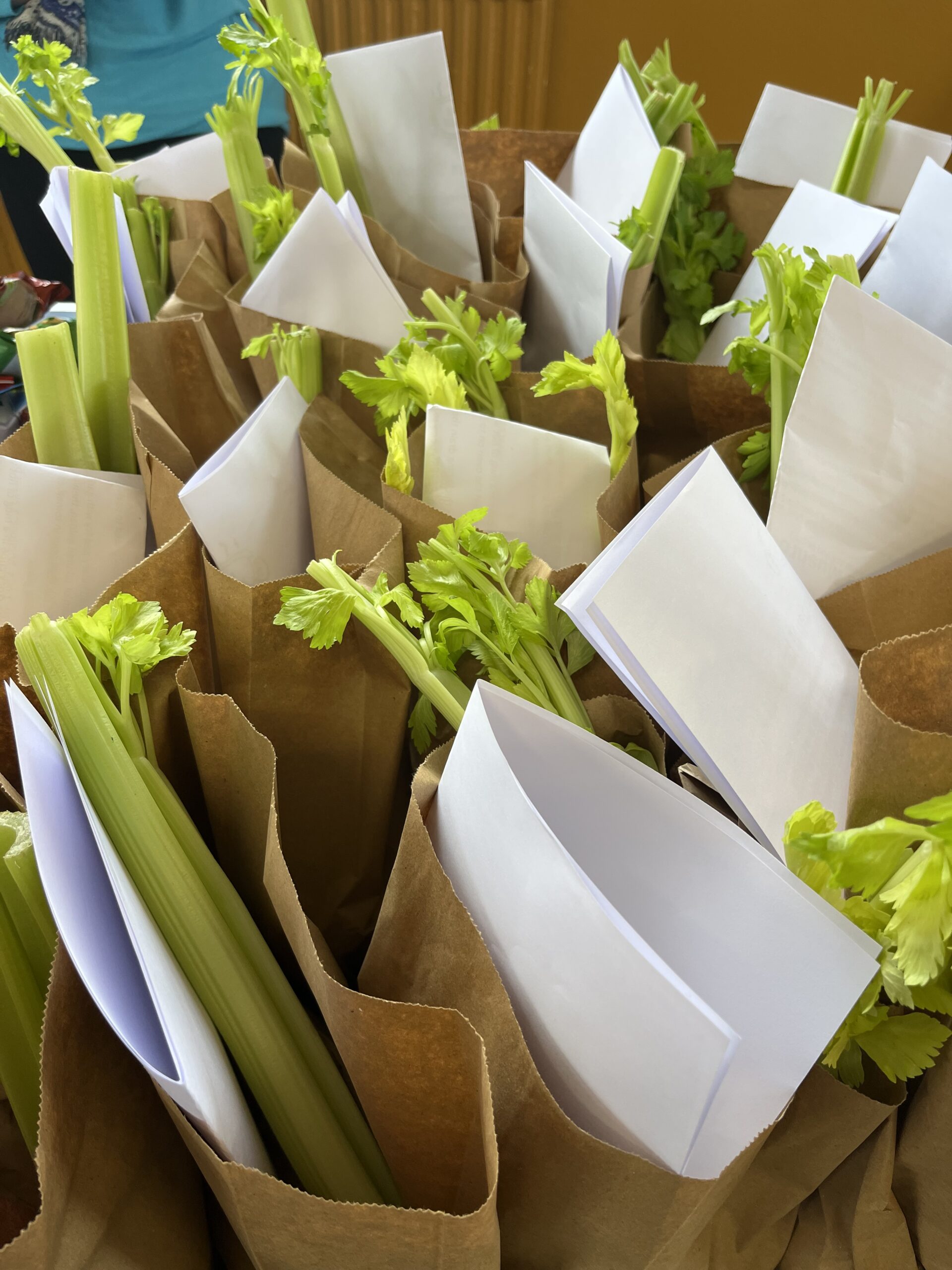
For Family Action, the key is a membership model. As Regional Manager Pete Godden of Family Action explains, their FOOD (Food On Our Doorstep) clubs cost £1 a year to join. Each week, members can buy a £5 bag of varied food items with a retail value of around £15. Pete notes that “the transaction reduces the stigma” of accessing support; by introducing a small cost, the experience feels like a member-led deal.
Jodie Smith, Health Improvement Manager of Heart of BS13 points out that the goal is to “mimic a shopping experience” that feels familiar and dignified. Even without a membership fee, their focus remains on choice and quality, leaning into ingredients sourced straight from BS13 soil. This includes produce grown by volunteers at Hartcliffe City Farm and high-welfare meat from Origin Butchers. Previously known as the Hartcliffe Health and Environmental Action Group, the organisation has always had a “firm focus on food and the environment,” according to Jodie.
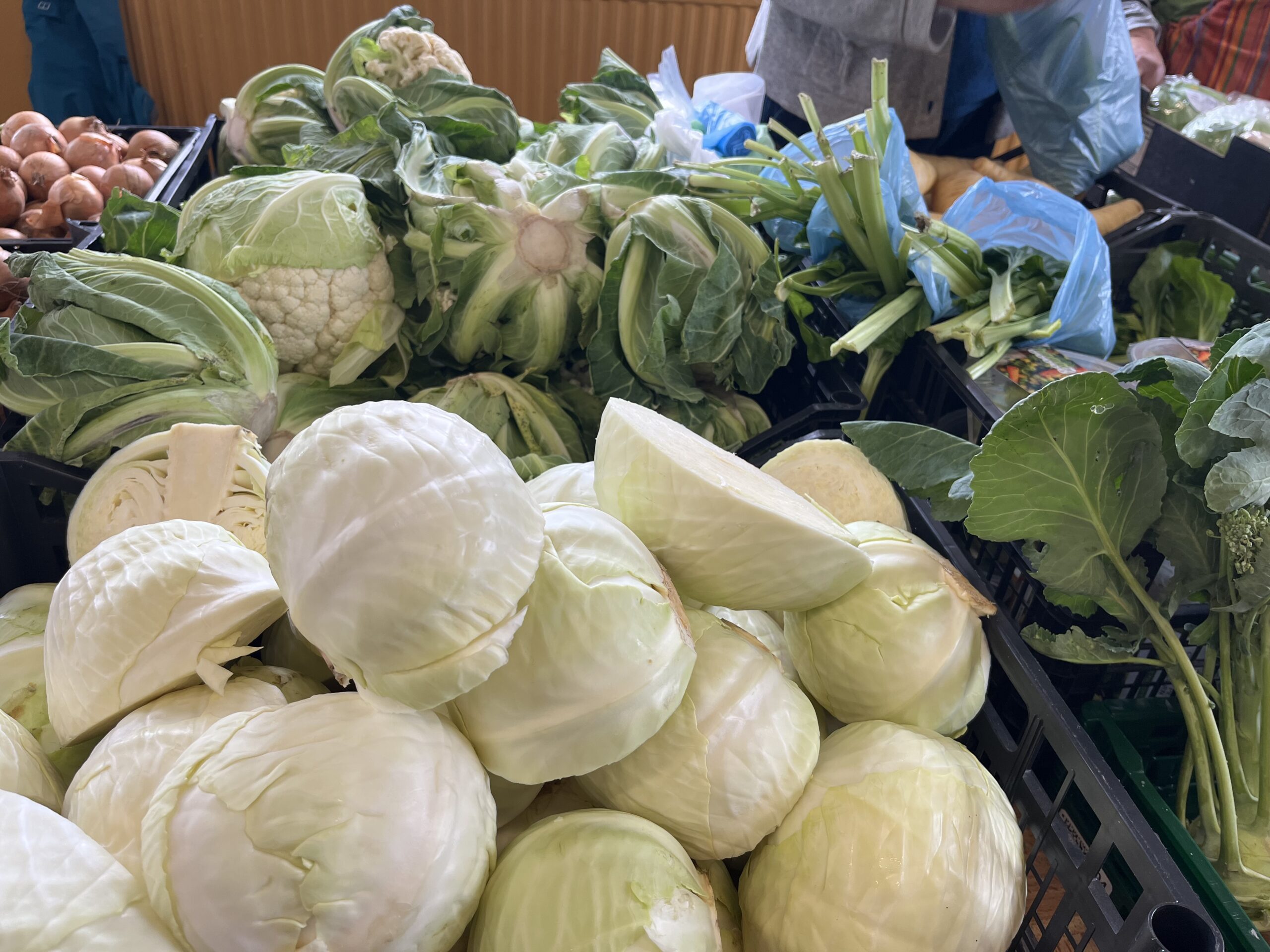
The BS3 Community Food Club is primarily stocked via Fareshare South West and Neighbourly pickups from local supermarkets, with a focus on redistributing surplus to combat waste. There is also a homegrown element to the supply chain; through the Growing Together project, fresh harvests are brought straight from the local polytunnel to the food club’s tables, including this week’s spinach and spring onions.
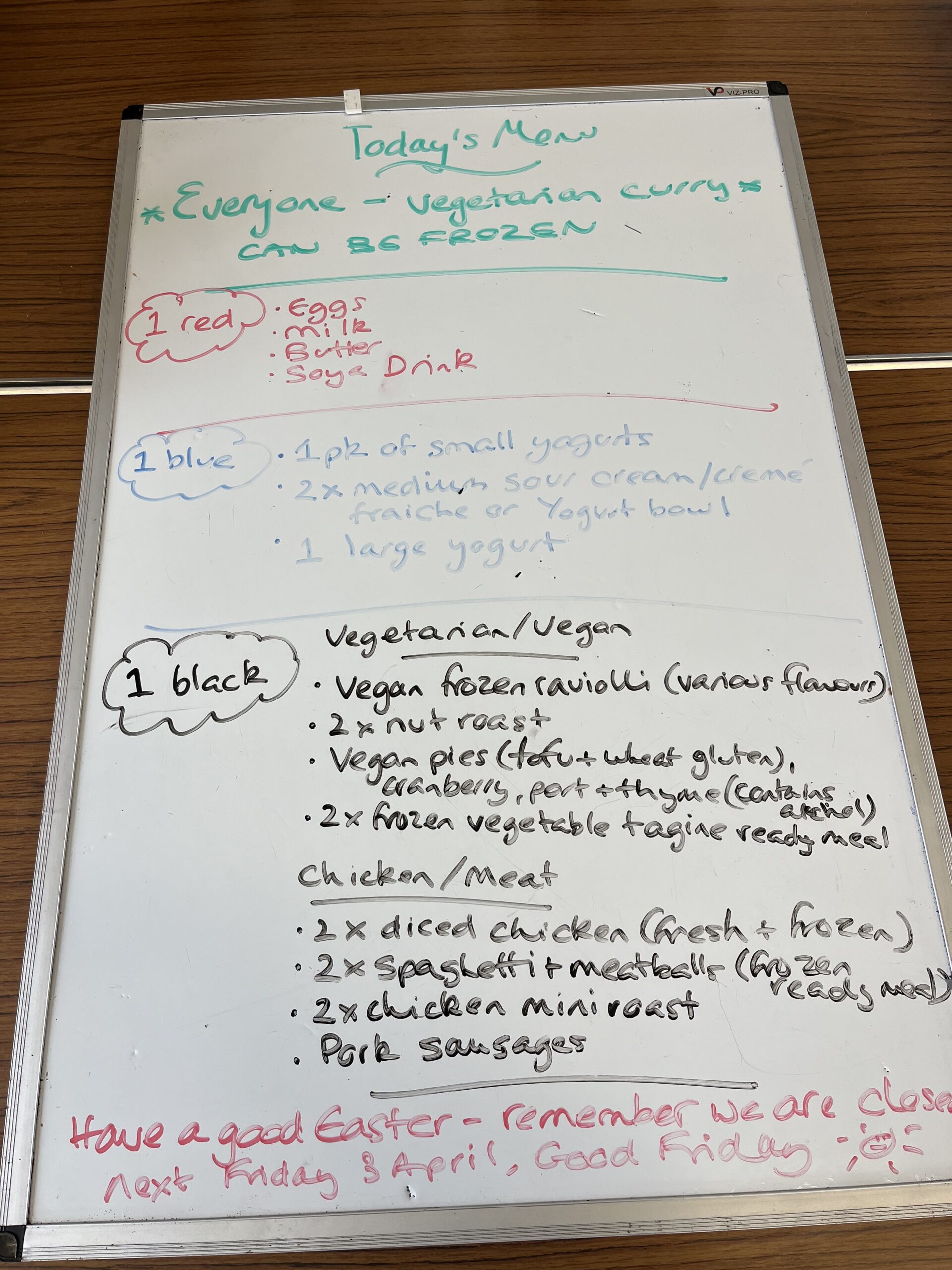
If you walk into a social supermarket for your weekly shop, you’ll likely leave with much more. These hubs use food as the entry point to tackle intertwined issues, such as fuel poverty and social isolation.
Pete speaks of the signposting volunteers do for members, including referrals for debt advice or to initiatives like Food Cycle Bristol. Similarly, Jodie emphasises the “warm welcome” that Community Freezer-goers receive. The point of connection is an important starting point for building trust, often leading to advice on housing and health issues.
The sense of belonging at the BS3 food club extends to the volunteers themselves. Di and Elaine began volunteering to feel more connected to their local community; now, they regularly recognise familiar faces on North Street and find themselves part of a genuine community.
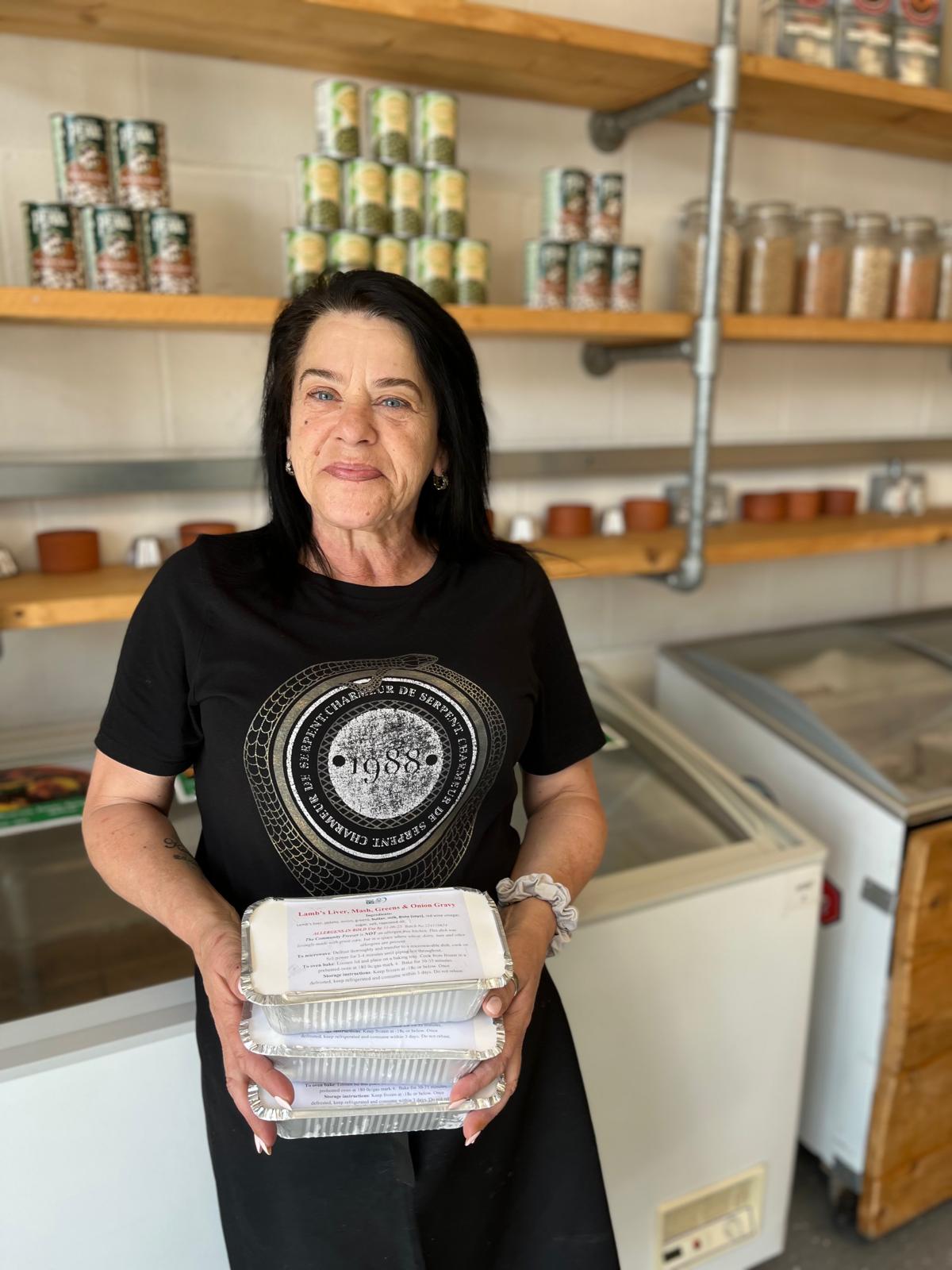
Heart of BS13’s Slow Cooker Club provides families with a cooker to keep, alongside raw ingredients and recipes for six weeks, all for free. Support is provided via a WhatsApp group, allowing members to build a sense of relatedness as they share their creations. The organisation also hosts monthly community meals at Hartcliffe City Farm between October and March; this past winter, these were specifically tailored for over-60s, recognising that BS13 is one of Bristol’s loneliest wards and that a shared table is often the best cure for isolation.
As the COVID-19 funding bubble has burst and the cost-of-living crisis continues, these initiatives are feeling the pressure. Family Action has consolidated from 20 FOOD clubs to six, and Heart of BS13 has had to implement eligibility criteria and professional referrals since May 2025 to keep their doors open.
While these services are an incredible local response to food injustice, their struggle for funding exposes a need for what Taylor et al. (2025) call “upstream, structural changes.” The authors emphasise that tackling issues including low income, inadequate state welfare provision, and unemployment are required to address this systemic issue at a national level.
If you want to support the cause, there are plenty of ways to get involved. You could volunteer at a Family Action FOOD Club or BS3 Community Food Club, or even help Heart of BS13 with their closed loop composting project. If you’re able, consider donating to any of these initiatives to ensure that dignity remains on the menu for everyone in our local community.
And finally, if you’re finding it difficult to keep up with rising supermarket prices, do reach out. You often don’t need a professional referral to start the conversation, and you may just find the sense of community you’ve been searching for.
To stay updated on future events, job opportunities and news, don’t forget to sign up for the Bristol Good Food Update at bristolgoodfood.org/newsletter.
So, what change do you want to see happen that will transform food in Bristol by 2030? Do you already have an idea for how Bristol can make this happen? Join the conversation now.
* Required field