Food Justice
The seed guardians of Bristol
By Anna Linehan
Food Justice
By Anna Linehan

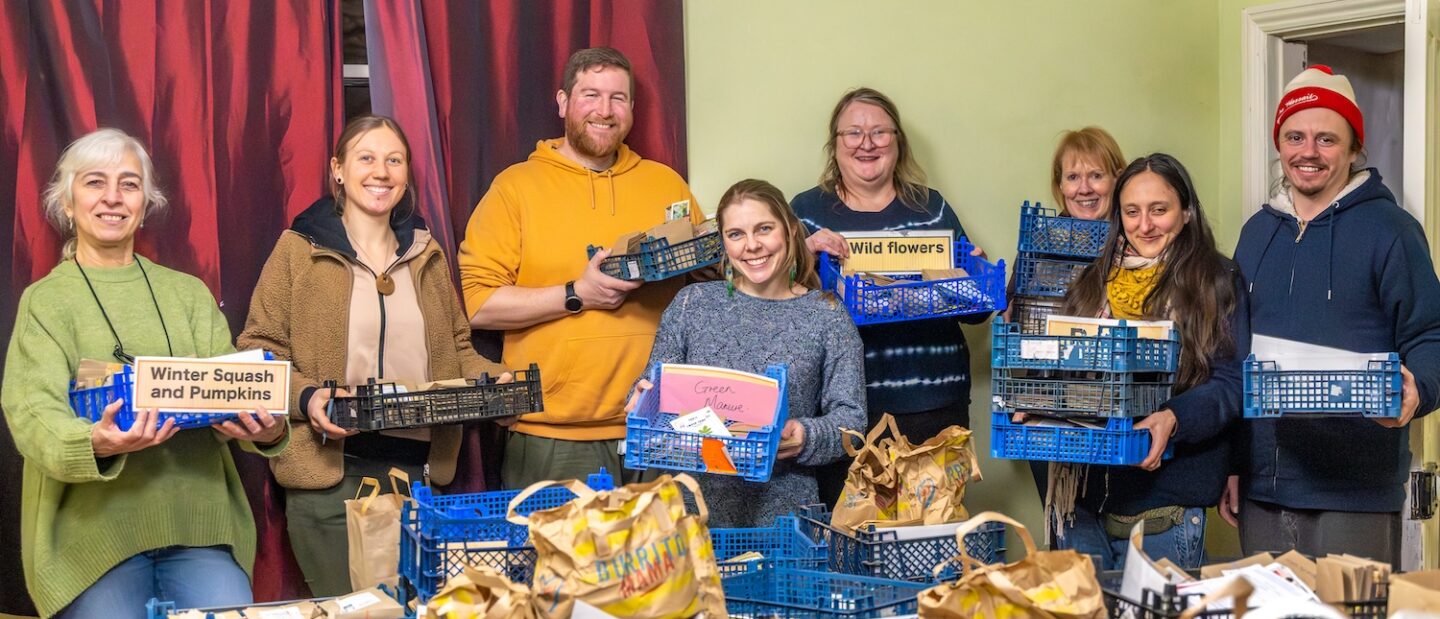
Anna Linehan (pictured left) meets Bristol’s seed savers and invites you to dig out your own packets, bring your curiosity, and join the growing movement to keep Bristol’s food future in local hands. The Bristol Seed Swap is Sunday 22 February – get involved!

On my desk sits an envelope labelled “Green Delicious Pumpkin, September ‘25, Prignitz, DE”, seeds gifted to me by a friend from a farm in Brandenburg. I’ve been holding onto them since September, looking for a way to give them a local home. So, when the chance came to join Bristol Seed Swap for the final sorting session before their event at the Trinity Centre on Sunday 22 February, it felt like a natural place to start.
I cycled over to Lower Knowle Farmhouse, which serves as a communal hub for the nine eco-houses tucked behind it. There is a clear overlap between Cohousing Bristol’s ethos of sharing gardens and food, with the spirit of Bristol Seed Swap’s mission to put the city’s food future back into the hands of its residents.
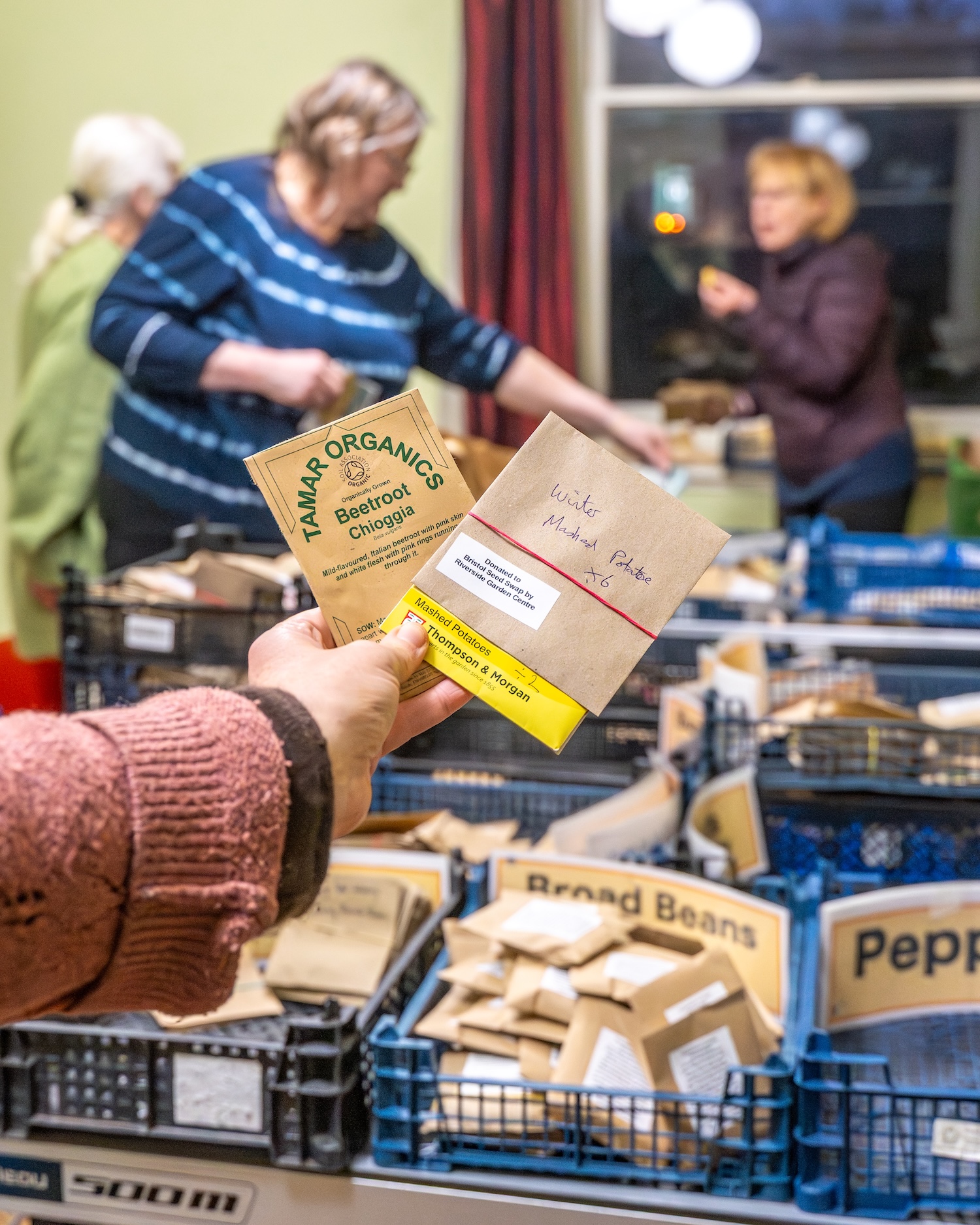
As the evening began, volunteers trickled into the farmhouse to get stuck in with the final push for organisation before Sunday’s event. The room was soon full of the rhythmic clatter of seed packets and a gentle hum of voices calling out “sweet pea,” “courgette,” or “dill” as they searched for the corresponding mushroom tray.
Before being tucked into these repurposed boxes, every seed is cleaned and dried – a process that involves sifting out dried plant bits or fermenting tomato pulps – before being labelled by hand according to its botanical family. It’s a meticulous, hand-labelled system that keeps the Roma tomatoes separate from the mustard greens, ensuring each packet is stable and ready for next season’s soil. Sifting through the stacks, I caught sight of the “weird and wonderful” diversity being saved, from hardy local staples like the winter squash, to the “Mango Lassi” tomato.
A sense of community was woven throughout the evening; everyone willing to share a story about their growing experiences. There were even whispers of soup being brewed in the kitchen, though unfortunately, I had to leave before the ladle made its appearance.

Talking to volunteers, it’s clear that this isn’t just a hobby; it’s a lifestyle. Many manage their own allotments or maintain communal gardens in flat blocks, seeing seed saving as a grassroots solution to a global problem.
The swap actually started about twenty years ago in a kitchen by Ruth O’Brien. While it has grown significantly, moving from its early days at Grow Wilder to its current home at the Trinity Centre, volunteer Jenny Sansom noted that Bristol’s permaculture community has always been thriving. The seeds themselves come from a mix of donors, heritage seed libraries, and seed companies, with Bristol’s avid growers providing the rest.
When fellow volunteer Guy Manchester isn’t sorting seeds, he’s managing a dementia-friendly allotment with Alive Activities in Brentry. He shared how many people he works with find comfort in the cyclical pattern of planting tomatoes – a lifelong rhythm that remains familiar and grounding even when other memories fade. For Guy, these seeds are more than just genetic heritage; they are vital tools for mental wellbeing, and he’s hoping to see some of his clients at the event on Sunday.
Much of the swap’s heavy lifting is led by Diane Holness, a key organiser since 2016. With preparations beginning in July, it’s a massive job that she literally takes home with her; keeping seed stores and event materials organised in her home. Diane also told me about her “Bristol-Blighter” tomato, a variety she’s spent nearly a decade developing to be reliably blight-free in our damp West Country climate. She also saves the “Archie” tomato, named in memory of her beloved cat. By selecting the “survivors” from commercial hybrids year after year, she’s created a local legacy that you can find at the Seed Guardian table this Sunday.
As mass farming and uniform crops dominate the landscape, we are at risk of losing the very diversity that keeps our food system stable. Alongside impacts of the changing climate on weather predictability, rising food insecurity has meant that strengthening local seed resilience has moved from a niche interest to a necessity. Commercial seeds are often bred to look “perfect” on a supermarket shelf, but they aren’t bred to survive a particularly soggy Bristol summer.

Guy and Jenny introduced me to the Seed Guardian Initiative, an extension of Bristol Seed Swap. Already involving over 300 local growers, the initiative acts as a living library for the city. Seed Guardians are asked to preserve rare and heritage varieties by planting them and bringing the seeds back the following year. Avoiding cross-pollination is an important part of the process, to prevent a heritage variety from breeding with a random neighbour, and diluting its hard-won resilience. By keeping these varieties true to their roots, the Seed Guardians ensure these plants adapt specifically to Bristol soil.
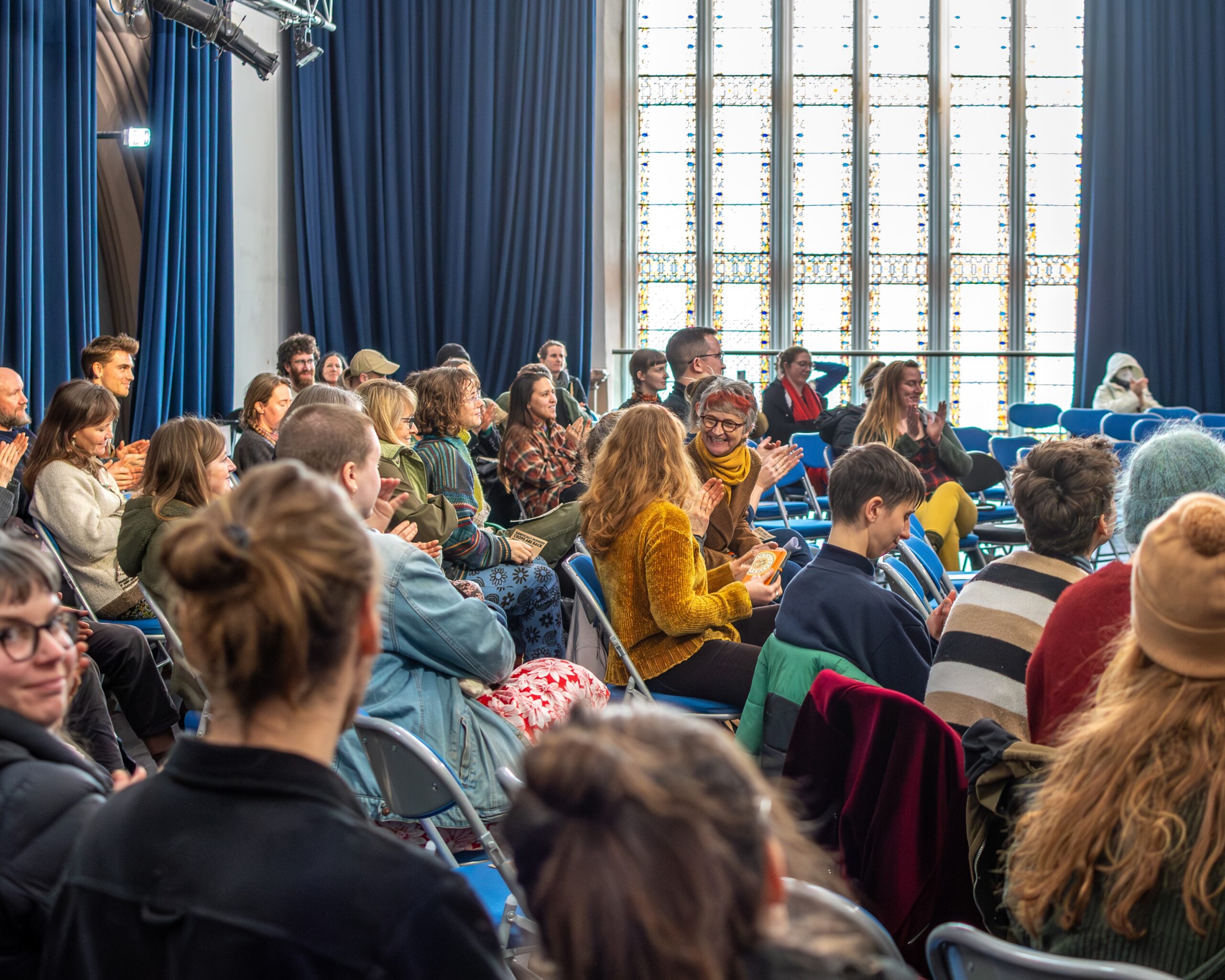
Whether you’re a seasoned grower or have not yet tested out your green thumb, Sunday’s event at the Trinity Centre is designed for everyone. Running from 12:30-4:30 pm, the swap is a place to exchange not only seeds, but also knowledge. As Jenny put it, the world of growing is a lifelong conversation, with new people and seeds to learn from every year.
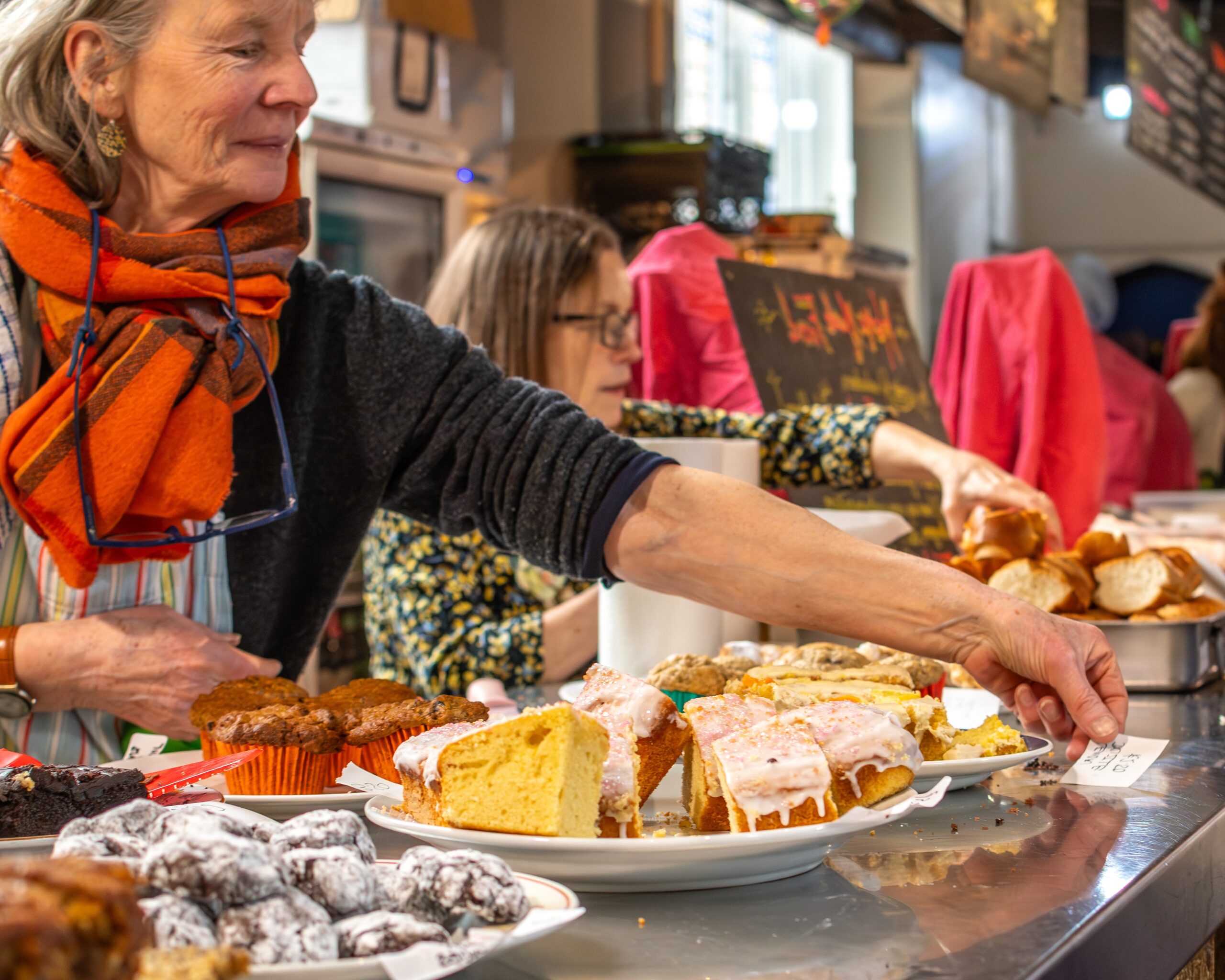
Head to the Seed Guardian stand to learn about protecting rare varieties, check out the screening of Rooted in Bristol, or watch Ellen Rignell’s demonstration of a zig-zag cleaner you can make at home. Entry is free, but do bring some cash if you can donate to the cause, to keep the Bristol Seed Swap movement going. And don’t worry if you can only turn up at 4pm; seeds are processed and released every hour, so everyone will have access to a good selection.
As for my seeds? I’ll definitely be taking them along on Sunday. They might not be ready for Bristol’s climate just yet, but I’m sure someone can help me find their feet in our local soil.
To stay updated on future events, job opportunities and news, don’t forget to sign up for the Bristol Good Food Update at bristolgoodfood.org/newsletter.
Bristol Seed Swap photos by Guy Manchester.
So, what change do you want to see happen that will transform food in Bristol by 2030? Do you already have an idea for how Bristol can make this happen? Join the conversation now.
* Required field
Good Food Governance
Food Justice
Food Justice
Food Justice


