Local Food Economy
The Future is Local: Putting people and planet first to build a more resilient food system across Bristol
By Bristol Food Network
Local Food Economy
By Bristol Food Network
What does the future of our food system look like in a changing climate? And how can Bristol’s hospitality businesses, growers and suppliers work together to shape it?
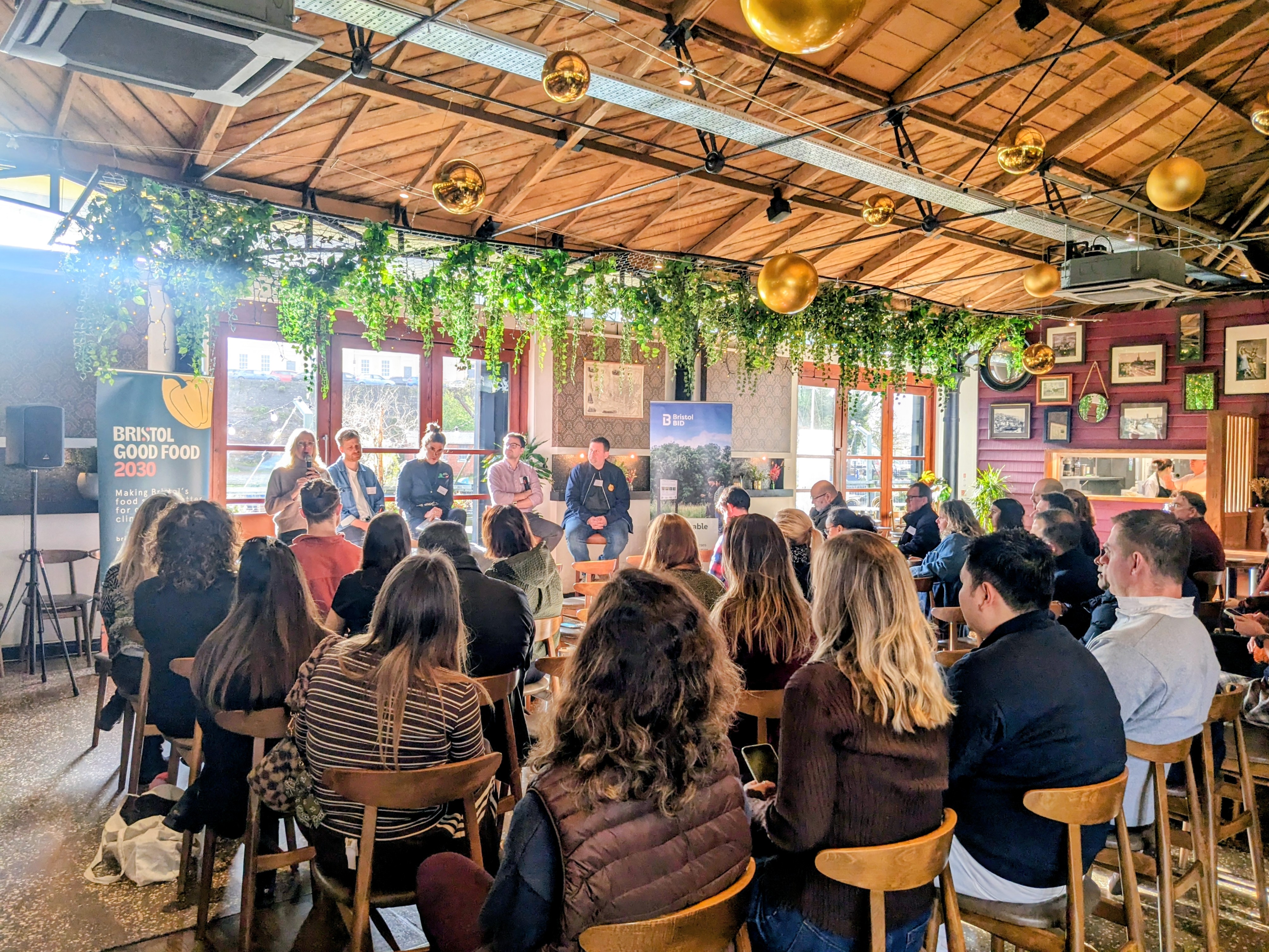
These were the questions at the heart of The Future is Local, the latest event in the Hospitality for the Future series, hosted by Bristol BID and Bristol Food Network.
Bringing together voices from across Bristol and the South West’s food and hospitality sectors, the event explored how prioritising local, seasonal and healthier food can help future-proof supply chains, support local producers and build resilience in the face of growing climate pressures.
Organised collaboratively by Bristol BID and Bristol Food Network, the events reflect both organisations’ shared commitment to championing Bristol’s food and hospitality sector, supporting businesses to navigate change and building a more sustainable, connected and resilient local food system. This latest event took place at Harbour House on 17 November.
Against a backdrop of rising costs, unpredictable weather and shifting customer expectations, one message emerged clearly: a more resilient food system starts with stronger relationships. From growers and wholesalers to chefs and restaurant owners, collaboration has a vital role to play in bringing more local food to our plates and protecting the people and planet behind it.
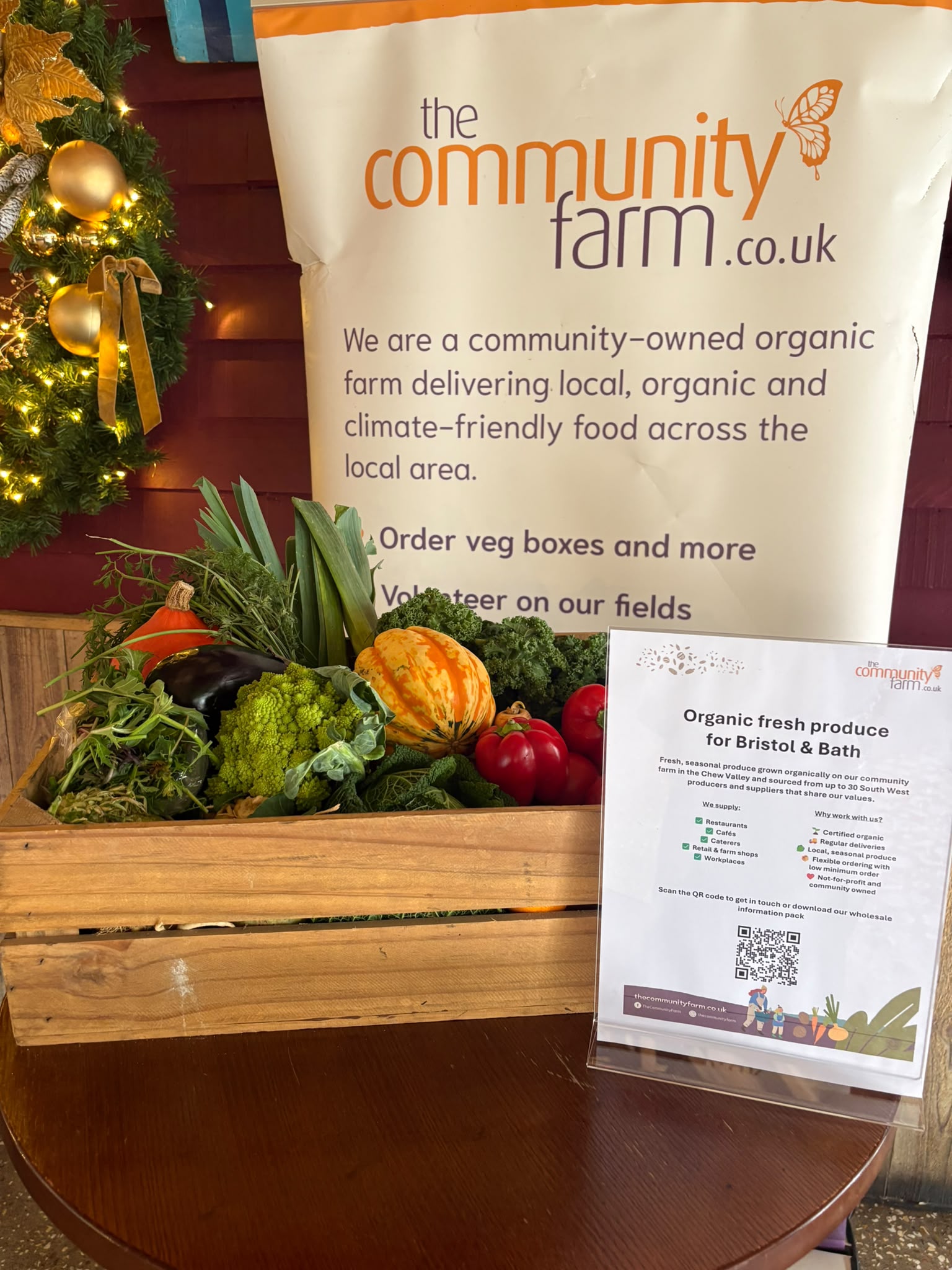
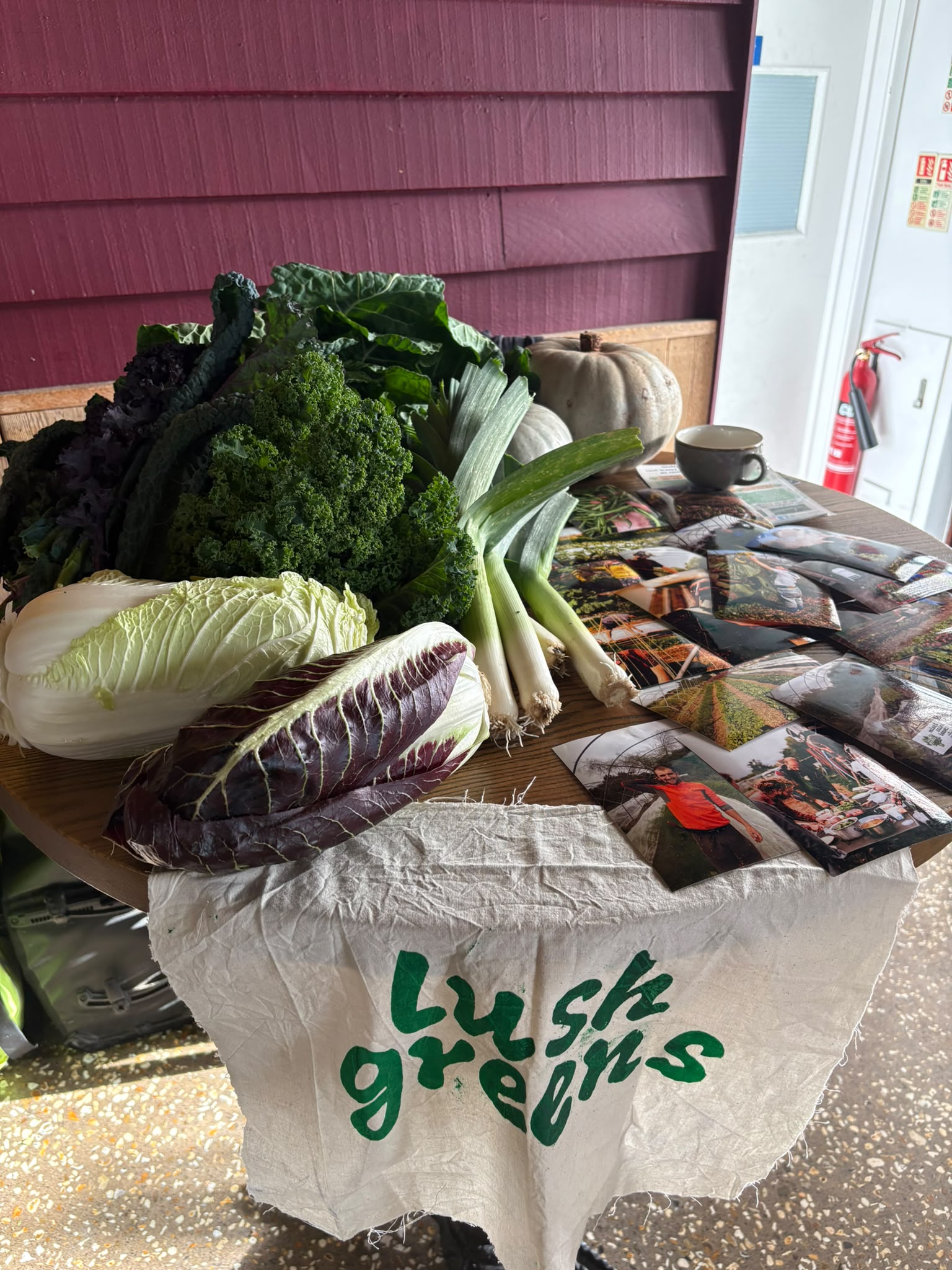
The event welcomed the attendees with delicious warming breakfast from the Harbour House team, while exploring the suppliers and producers showcase with local produce represented by; The Community Farm, Lush Greens, De Gusta wholesale, Dunleavy Vineyards, Limeburn Hill Vineyard, Hill & Vale Spice, Bradleys Juice and Lost and Grounded Brewery.
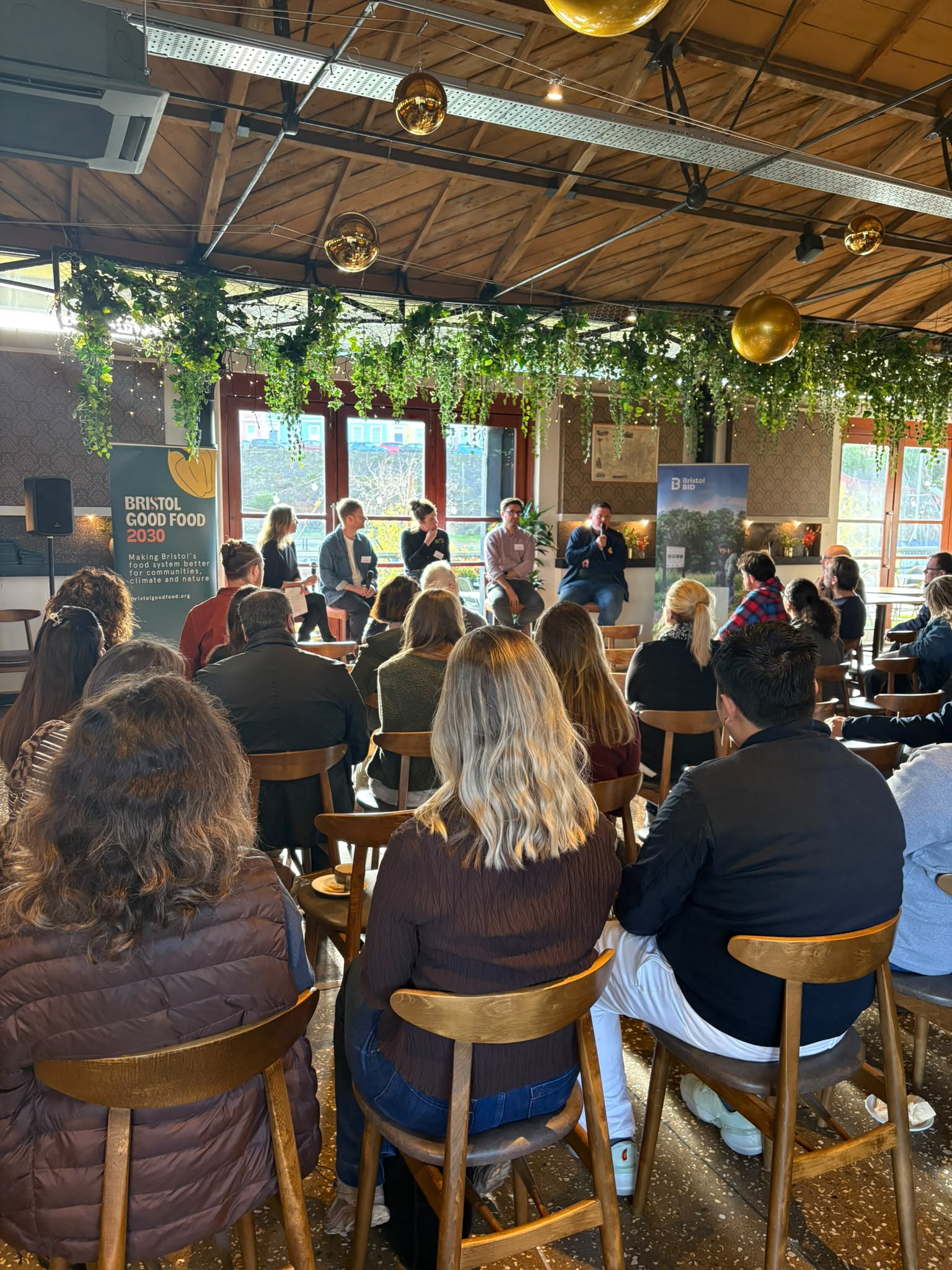
After connections were made and bellies were filled, the event then moved focus on to the panel discussion: How hospitality businesses can champion local food while navigating rising costs, unpredictable weather and changing customer expectations?
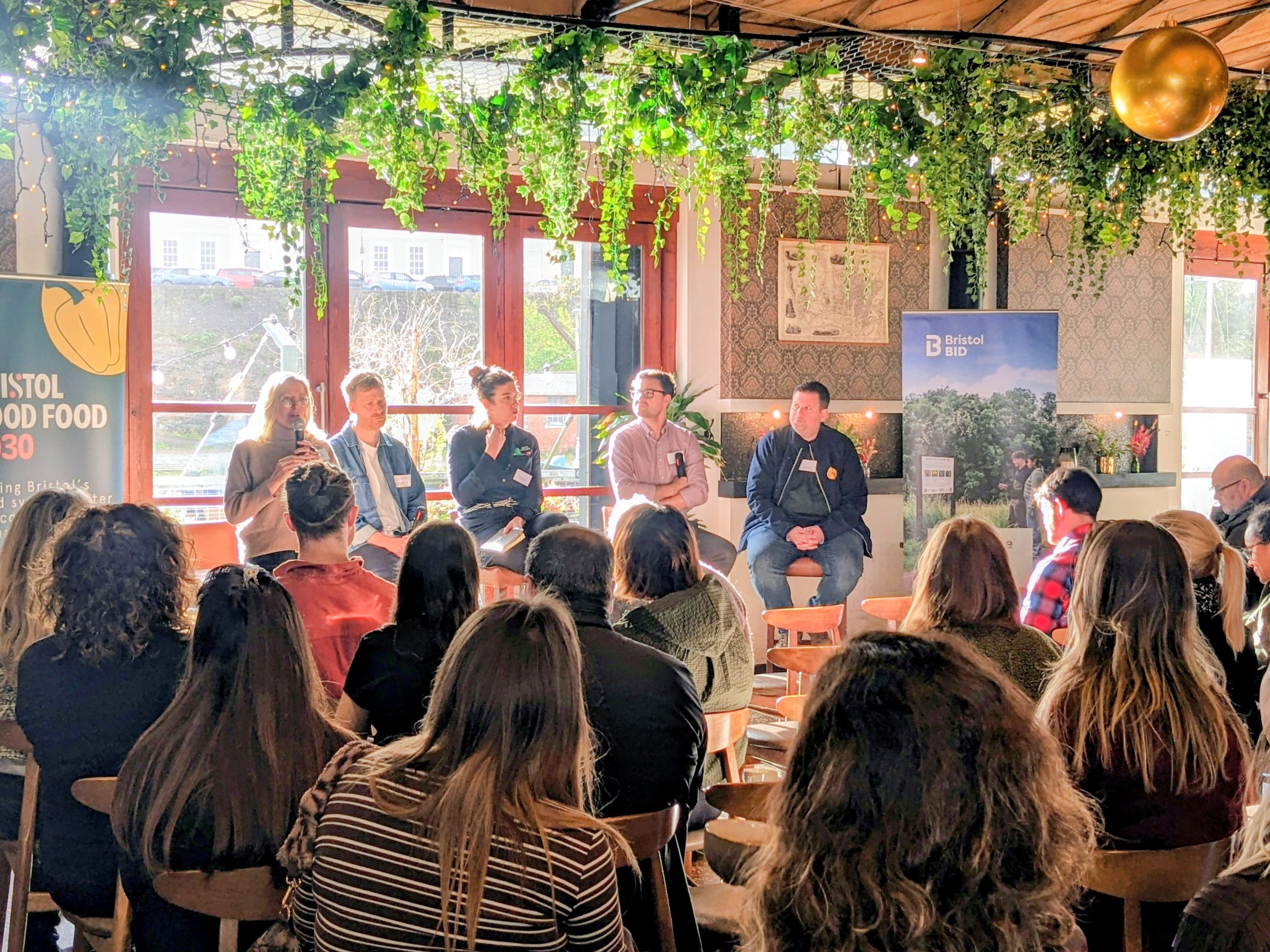
The panel was made up of speakers from across the sector, grower to wholesaler, caterer to restaurant manager, featuring Kate Ploughman from Kate’s Kitchen, Ben Porter from the Harbour House, Tom Richardson, The Community Farm and Ross Gibbens, De Gusta Wholesale.
The message running through the conversation was clear: progress depends on relationships. From planning crops together to adapting menus when supplies change, closer connections between growers, suppliers and kitchens can help turn shared values into everyday decisions.
For the hospitality businesses on the panel, local and seasonal food was both a personal passion and a core business value. But putting that commitment into practice takes time, coordination and flexibility, especially as a business grows.

Kate from Kate’s Kitchen shared: “starting out as a one-man-band 20 years ago, over the years my business and team has grown, adapting to both changing times and changing availability, I ensure suppliers are largely Bristol based and I work with local suppliers such as Community Farm and Lush Greens. For me and my business the key is the human relationships built, the intimacy and personal factor, of working with local suppliers”
Ben from Harbour House added: “there’s a preconception around sourcing locally that you’re working with tiny independent farmers, and exclusively with them. It’s important to maximise what you have in your local community, if you can, to use a whole variety of local suppliers. Your business is growth for them. In terms of dealing with shortages, and navigating this assumption that working local will mean encountering shortages/limited yields/less choice, it’s important to ensure a variety of different producers who supply to you”
Regular conversations help chefs understand what is available, make the most of seasonal abundance and shape menus around produce at its best. For growers, discussing demand ahead of time can also inform crop planning and help find a home for more of what they grow.
Tom from The Community Farm said “As a social enterprise, one of our drivers to supply locally is to give people the experience of tasting local. Locally grown food has incomparable freshness and therefore, incredible taste. At The Community Farm, as producers and suppliers we commit ourselves to sustainable practice by trying to minimise food waste, advising buyers on what’s in excess, trying to sell as much of what we grow.
“We want buyers to experience the benefits of buying locally through relationship building so we can advise what is tasting best right now, what’s in season, to ensure that buyers are getting the best. This is mutually beneficial relationship, and shows the importance of the human connection within the food supply chain”
The panel were asked how the summer drought and changing climate affected supply, produces and prices. Representing different parts of the food system, their experiences varied. Some described shortages, higher prices and inconsistent quality, while others had maintained supply and prices through established local relationships and embedded environmental practices to support growing resilience.
Ross from De Gusta Wholesale described seeing lower yields and less consistency in terms of products available. As a wholesaler who buys internationally, this is an impact that isn’t limited to the UK but is having effect all over Europe (and the world). He said: “Supermarkets get first dibs on what’s been imported from Europe- wholesalers’ prices go up, whilst European/globally sourced produce is accessible in supermarkets for less. It’s about managing expectations, protecting those relationships that have been cultivated and, in some cases, sacrificing margins”
Tom at The Community Farm explained how they prioritise farming holistically to take care of the environment by growing organically and with agroecological methods. This includes looking after hedgerows and wildlife to produce more resilient, healthier crops:
“This winter, we have invested in infrastructure to collect rainwater from roofs. We save seeds in summer, that were particularly resilient and able to withstand the heat and produce a good crop in anticipation of future droughts. By using nature-friendly growing techniques, we can breed healthy, organically grown plants, with no chemical inputs, which in turn protects the soil and ensures we aren’t reliant on chemical fertilizers shipped in from countries facing global instability, we create our own fertiliser and compost right here on the farm.”
Local sourcing also gives businesses something meaningful to share with customers. Naming suppliers on menus, explaining where ingredients come from and visiting farms can bring those relationships to life.
Kate said: “Being a sustainably orientated business that prioritises local and seasonal is part of the Kate’s Kitchen brand and probably unofficially our ‘USP’. It all stems from passion. Around 70% of our business comes from corporate catering, and a lot of corporate clients do use us as our values align with their goals. In that way, it is useful that our commitment to locality is known, especially given corporation’s increasing social/environmental responsibilities and quotas they need to fulfil. Holding the nationally recognised Food for Life Served Here Gold catering certification helps to bring further awareness to that commitment and those values are embedded within my business.”
Ben added: “The relationship between suppliers and restaurants is multi-faceted, and as well as wanting to buy from suppliers that you believe will deliver best value for money, it’s about suppliers believing in your restaurant, knowing that you will do their produce justice.”
The discussion closed with a sense of possibility alongside realism about the challenges. Supporting a stronger local food network does not require every business to take the same approach. It can begin with a conversation, a seasonal menu change or a more consistent commitment to a local grower.
For hospitality businesses, the opportunity is not only to buy differently, but to help customers understand and value the people behind their food.
Tom from The Community Farm summed it hospitality’s influence: “Hospitality is in a prime position to convey a love and appreciation for food and its process. Chefs inspire and have influence. You can lead by example and make impact on a global scale in a response to a changing global context.”
The Future is Local is part of the ongoing Hospitality for the Future series, a collaboration between Bristol Food Network and Bristol BID championing Bristol’s hospitality sector and bringing businesses together to share ideas, build connections and explore solutions for a more resilient and sustainable future. Read our report from the previous Hospitality for the Future event, Hospitality for our Community: The passionate people-focused backbone of our city and watch this space for details about our next event.
To stay updated on future events, job opportunities and news, don’t forget to sign up for the Bristol Good Food Update at bristolgoodfood.org/newsletter.
So, what change do you want to see happen that will transform food in Bristol by 2030? Do you already have an idea for how Bristol can make this happen? Join the conversation now.
* Required field

Local Food Economy
Local Food Economy

Local Food Economy

Local Food Economy


