Eating Better
Bristol chef wins national recognition for care home food
By Ramona Andrews
Eating Better
By Ramona Andrews
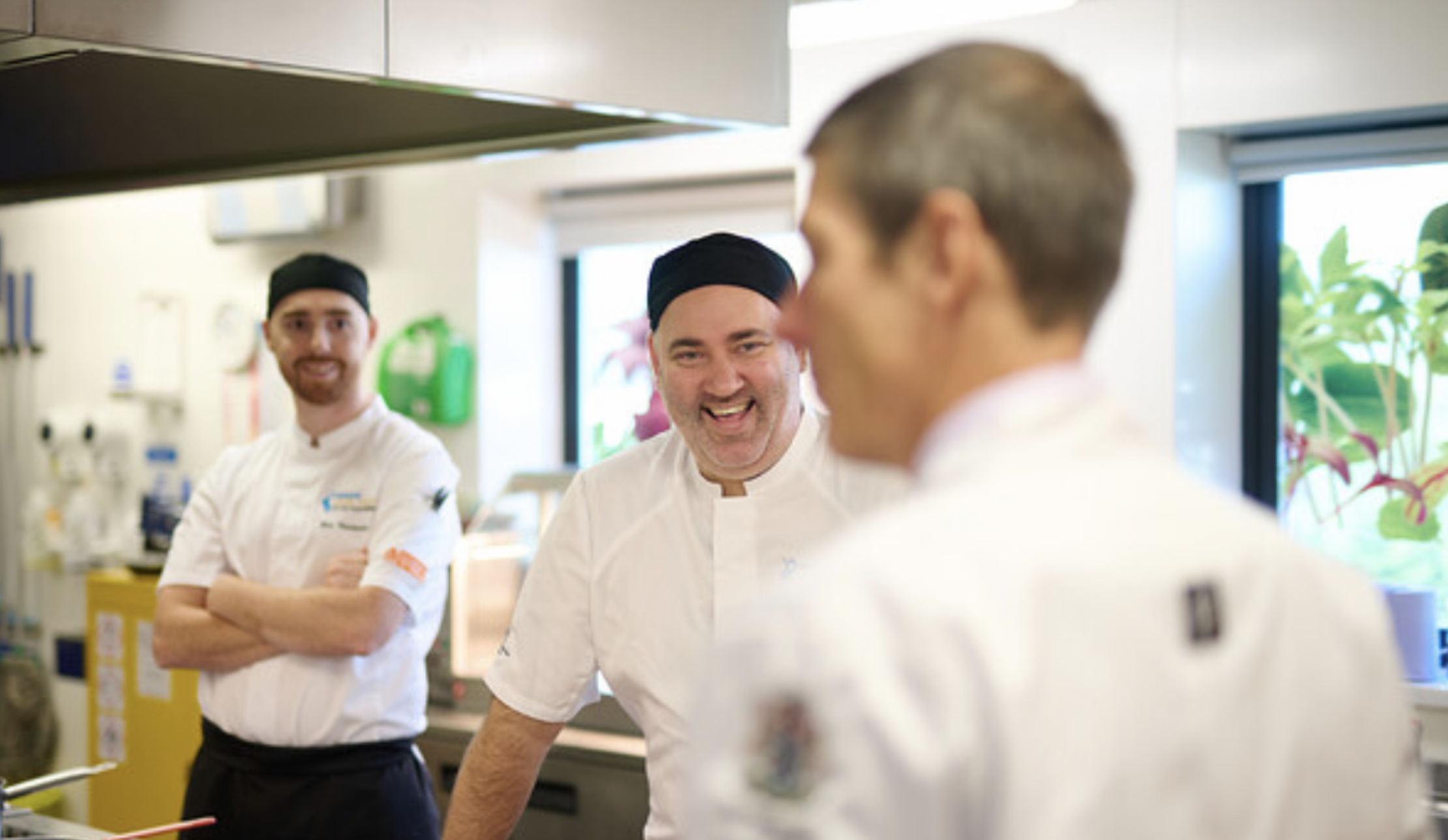
After winning a national award, Bristol care home chef Darren Nelson is challenging perceptions of care home food, proving it can be nutritious, delicious and a source of genuine pleasure. His message is clear: food deserves a central place in every conversation about care.
“It’s not just about winning a trophy, it’s about the whole care sector and all the other chefs.”
Darren Nelson

A £5 soy-glazed salmon dish has helped put Bristol care home chef Darren Nelson on the national map. After winning the South Regional Final, Darren, head chef at Care UK’s Trymview Hall in Westbury-on-Trym, secured an impressive third place at the National Association of Care Catering’s Care Chef of the Year 2026 National Final in October.
But for Darren, the real achievement goes far beyond a competition podium. It is about proving that care home food can be fresh, flavourful, nutritious and sustainable, and, above all, shaped around the people who eat it.
“I’m not just entering a competition,” he says. “It’s about including the whole home.”
His salmon dish, glazed with ginger and soy and served with sweet potato and broccoli, was inspired by conversations with residents about their tastes and dietary needs. Strong flavours are particularly important as people age and their sense of taste can change. Careful supplier relationships helped keep the dish within budget.
At Trymview Hall, where around 66 residents live, food is a shared endeavour. Menus change seasonally, with quarterly tasting sessions giving residents and relatives the chance to try dishes and influence what comes next.
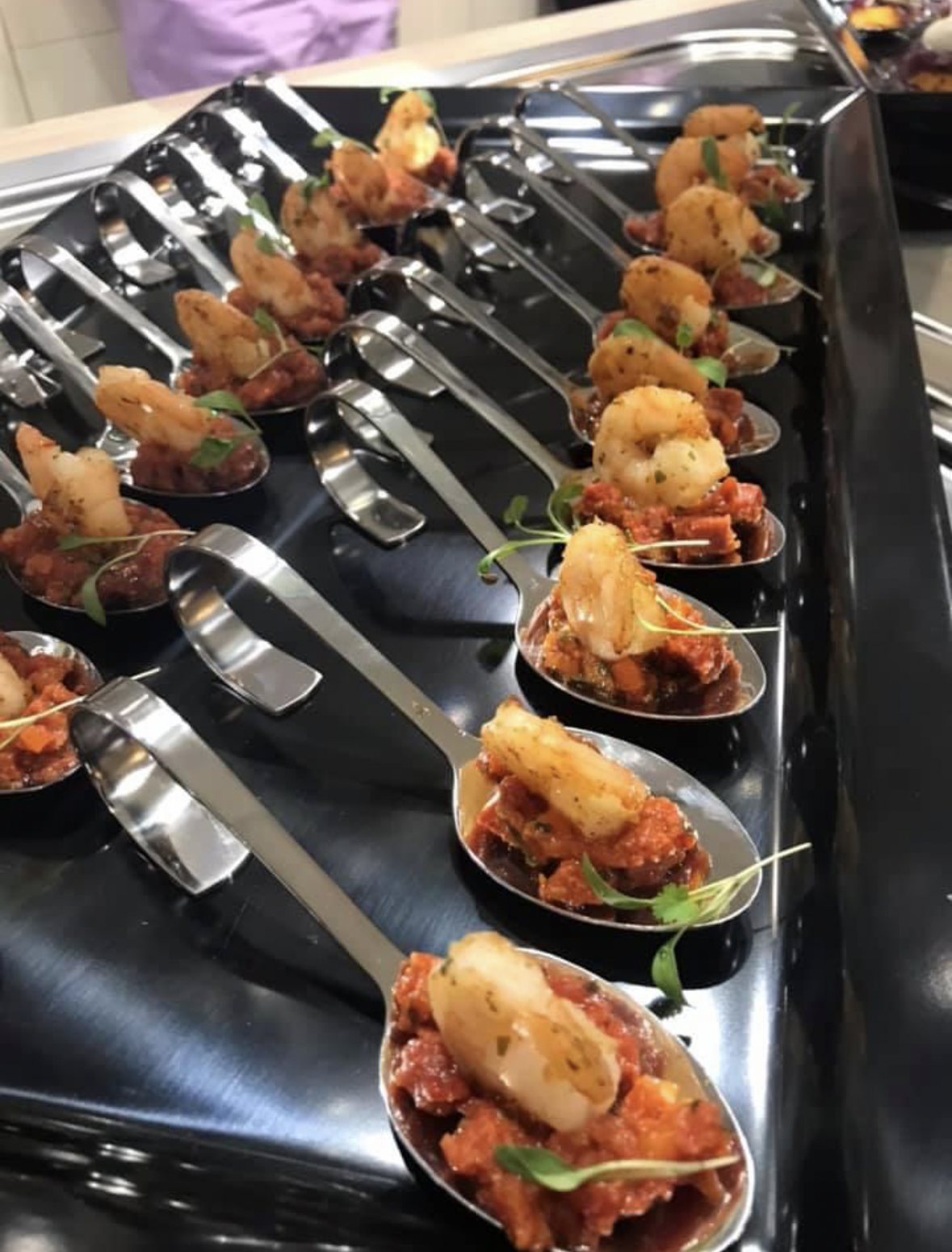
“When somebody moves into the home, we’ll go up and have a chat with them about their likes and dislikes, favourite menus, anything that reminds them of childhood,” Darren explains.
“At the end of the day, we’re cooking for them. If they’re not going to eat it, then they’re not getting nutritional value.”
That philosophy extends to the garden. A keen group of eight to ten residents grows tomatoes, courgettes, peppers, beans, kale and other vegetables, alongside a substantial herb garden. Residents help choose what to plant, water the crops and see their efforts reflected in the kitchen.
A compost bin puts vegetable peelings and eggshells to use, too. It is a practical example of how growing, seasonal cooking and waste reduction can work together, bringing residents closer to their food while making ingredients go further.
Good care catering requires more than culinary skill. Darren, who joined Trymview Hall in 2019 after working in hotels and restaurants, has developed his understanding of the specialist nutritional needs of older people, including hydration, food fortification and texture-modified diets.
The International Dysphagia Diet Standardisation Initiative (IDDSI) provides a common framework for food textures and drink thicknesses for people with swallowing difficulties. Its levels range from Level 7, regular food, through softer and smaller-textured foods to Level 4, puréed food (Level 0 means the liquid flows like water). Understanding and preparing these textures safely is an essential skill for care catering teams.
Darren believes more training is needed to help chefs entering care from the restaurant trade understand the difference between cooking a delicious meal and meeting the nutritional needs of a vulnerable person.
He is working with Bath College to explore training in areas such as fortification and hydration, with the ambition of developing a course that could complement existing vocational qualifications.
“Hydration isn’t just from a drink,” he explains. “You can still get hydration through food.”
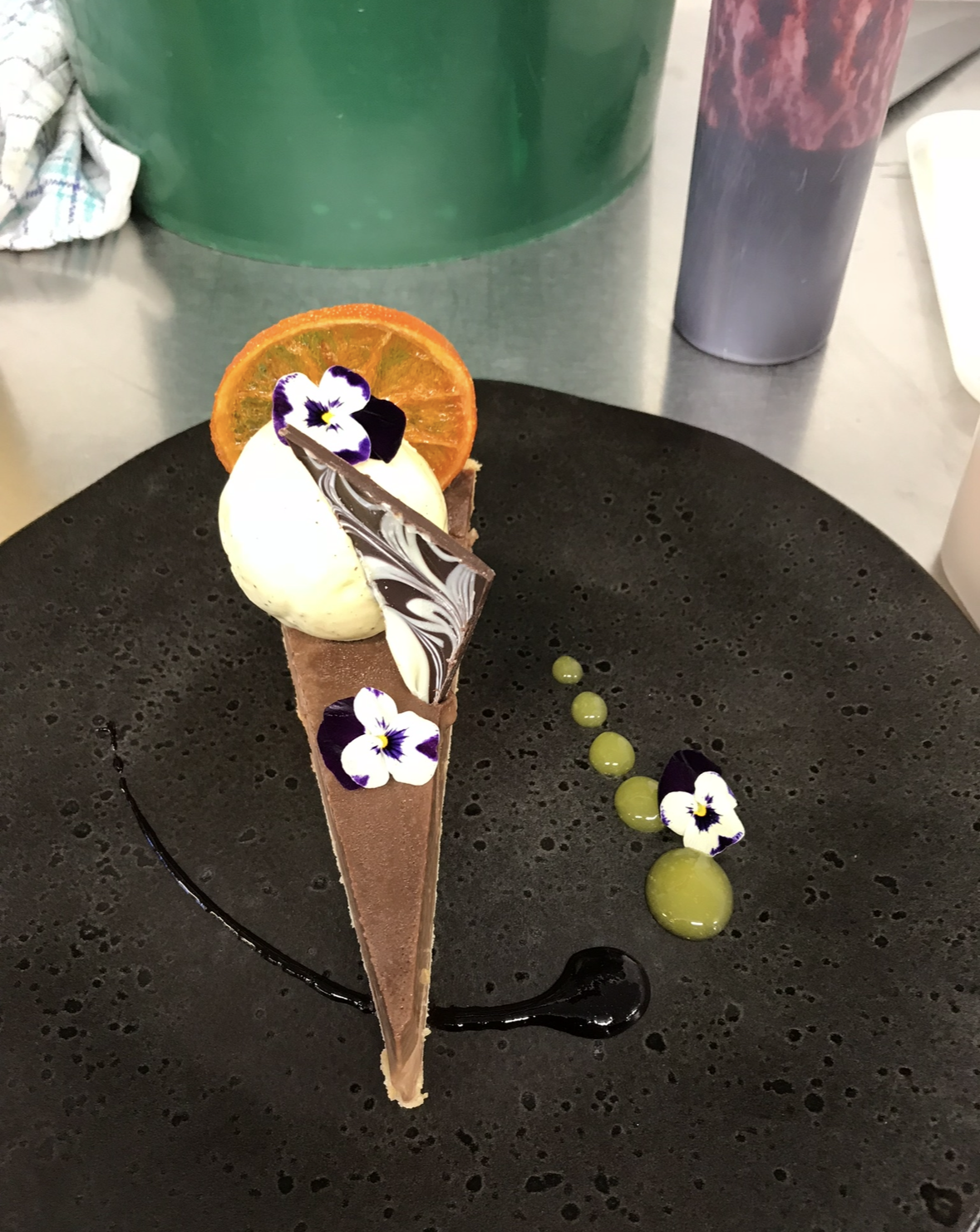
Nutrition also needs to be considered at pudding time. Some residents may prefer a sweet treat to a main course, making desserts an important opportunity to deliver extra nourishment. Adding milk powder to cake batter or choosing ingredients such as pistachios can increase protein content without taking away the pleasure of eating something delicious.
With budgets under pressure, Darren sees good relationships and careful planning as vital to sustainable care food. Buying whole fish or chicken, where practical, can offer better value, with bones used for stocks, salmon trimmings turned into fishcakes or chowder, and surplus ingredients incorporated into future dishes.
He checks the dry store twice a week and pays attention to what comes back on residents’ plates. If a side dish consistently goes uneaten, it is time to reconsider it rather than continue ordering ingredients that will be wasted.
Portions matter, too. Rather than overwhelming someone with a large plate, the team can offer smaller servings and seconds.
For Darren, this is where sustainability, affordability and person-centred care meet: food is only good value if people enjoy and eat it.
The conversation about care food is part of a bigger picture. In September 2026, Prime Minister Andy Burnham set out plans for a new National Care Service, with a proposed system of free personal care for older people in England. The announcement has renewed attention on the future of social care, including the workforce, dignity and the quality of support people receive in later life.
Food deserves a place in that conversation. Better training, seasonal and locally sourced ingredients, less waste and menus that reflect residents’ preferences can all contribute to a more thoughtful approach to care.
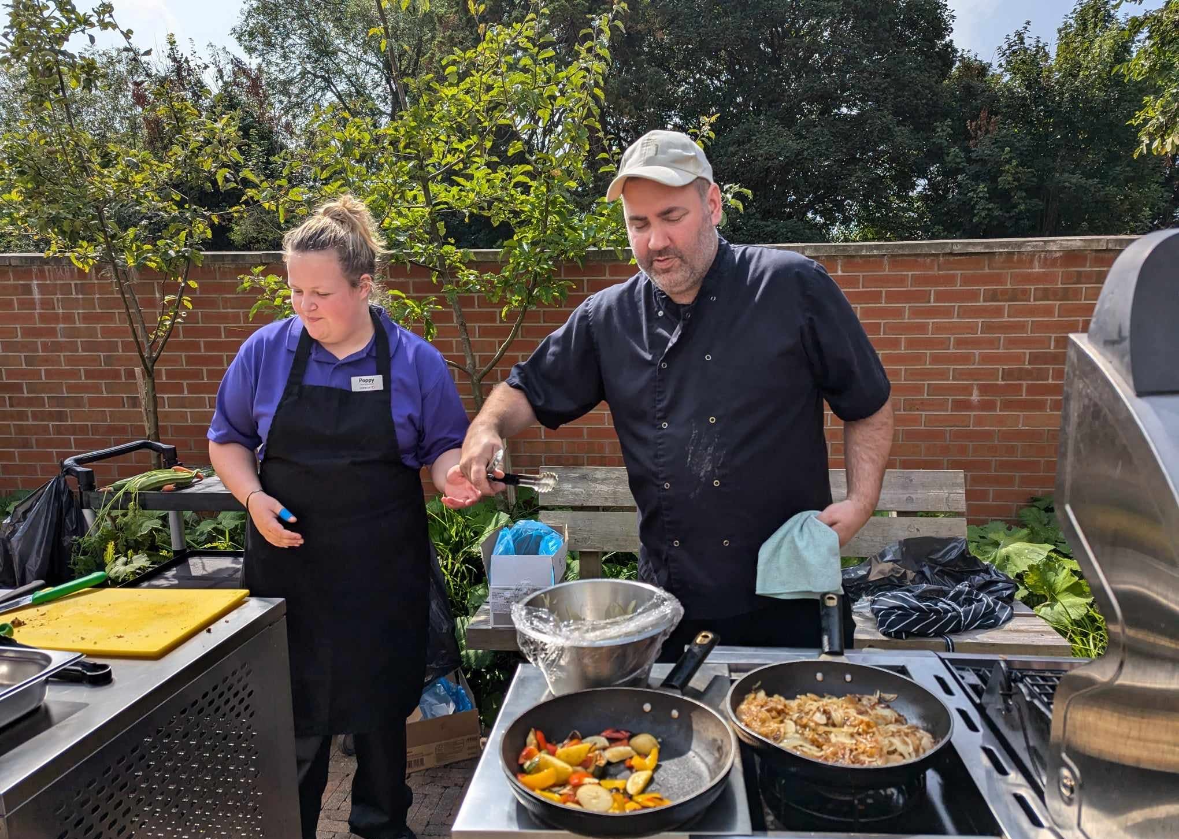
At Trymview Hall, food is also a way of bringing people together. The team creates themed events, from Jamaica Day to Halloween celebrations and murder mystery evenings, turning mealtimes into occasions. For one couple celebrating their 50th wedding anniversary, Darren and his team recreated their original three-tier wedding cake using family photographs. For a resident’s 100th birthday, they built a menu around one of his favourite ingredients: beetroot.
These are reminders that food is about memory, identity and pleasure as much as nutrition.
Darren has seen residents become more adventurous, too. Dishes such as risotto, gnocchi and calamari, once unfamiliar to some, are now finding their way into favourite menus.
“People can start trusting that it’s not just slop,” he says. “There are chefs that are restaurant-trained in care, and you’re getting restaurant food and thinking about the nutritional side.”
His national award is recognition of one chef’s achievement, but his ambitions are wider: to help change perceptions of care catering and encourage more people to see it as a skilled, rewarding profession.
To stay updated on future events, job opportunities and news, don’t forget to sign up for the Bristol Good Food Update at bristolgoodfood.org/newsletter.
So, what change do you want to see happen that will transform food in Bristol by 2030? Do you already have an idea for how Bristol can make this happen? Join the conversation now.
* Required field

Eating Better
Food Justice

Urban Growing

Eating Better


