Urban Growing
Grow One Thing: Keyhole gardens
By Ramona Andrews
Urban Growing
By Ramona Andrews
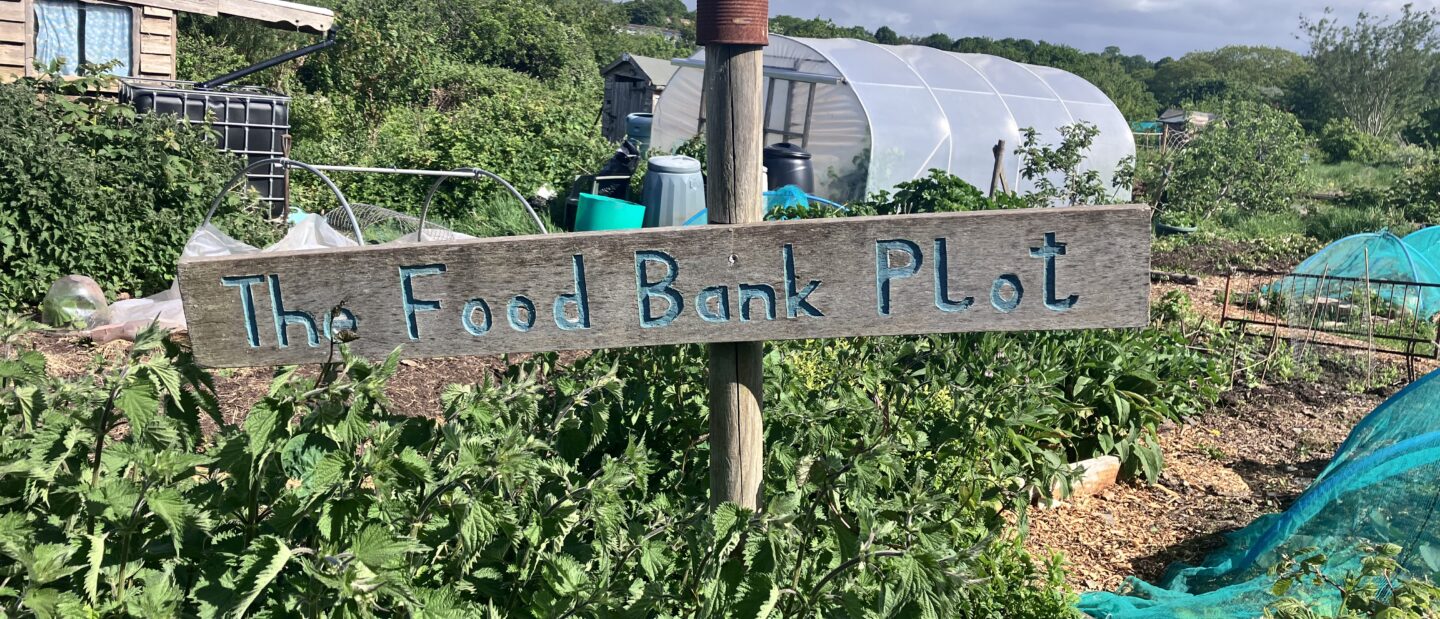
You don’t need a big garden or an allotment to grow food. Herbs on a windowsill, salad leaves in a balcony planter, or tomatoes in a recycled bucket can all be part of the Grow One Thing this Spring Challenge. At Thingwall Park Allotments Food Bank Plot, volunteers are even using keyhole gardens to show how productive growing can happen in small spaces.
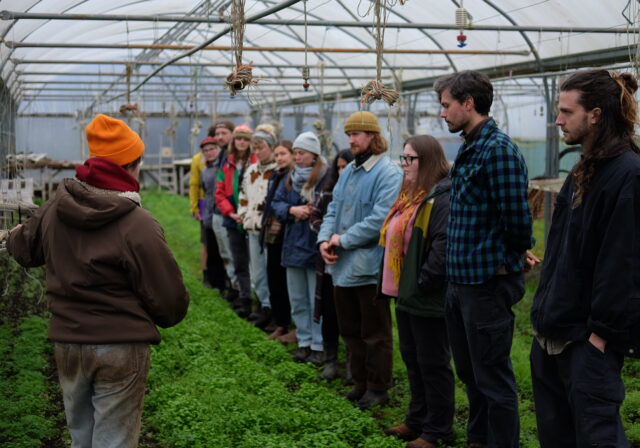
The Thingwall Park Allotments Food Bank Plot works closely with local charities and community groups, growing fresh produce for organisations including St Luke’s Lunch and The Julian Trust. What began during the Covid years, when surplus plants from Blaise Plant Nursery were donated to community groups, has grown into a thriving volunteer-led project.
Volunteer grower Irene Blessitt has been involved with the allotments for more than 30 years. She describes how one new plot was completely covered in brambles at the end of last year and volunteers are gradually transforming it into a productive growing space.
“We started with six or seven people,” she explains. “Now people drop in to volunteer, help with watering and just spend time outside together. Some people don’t have gardens and simply need somewhere green to be.”
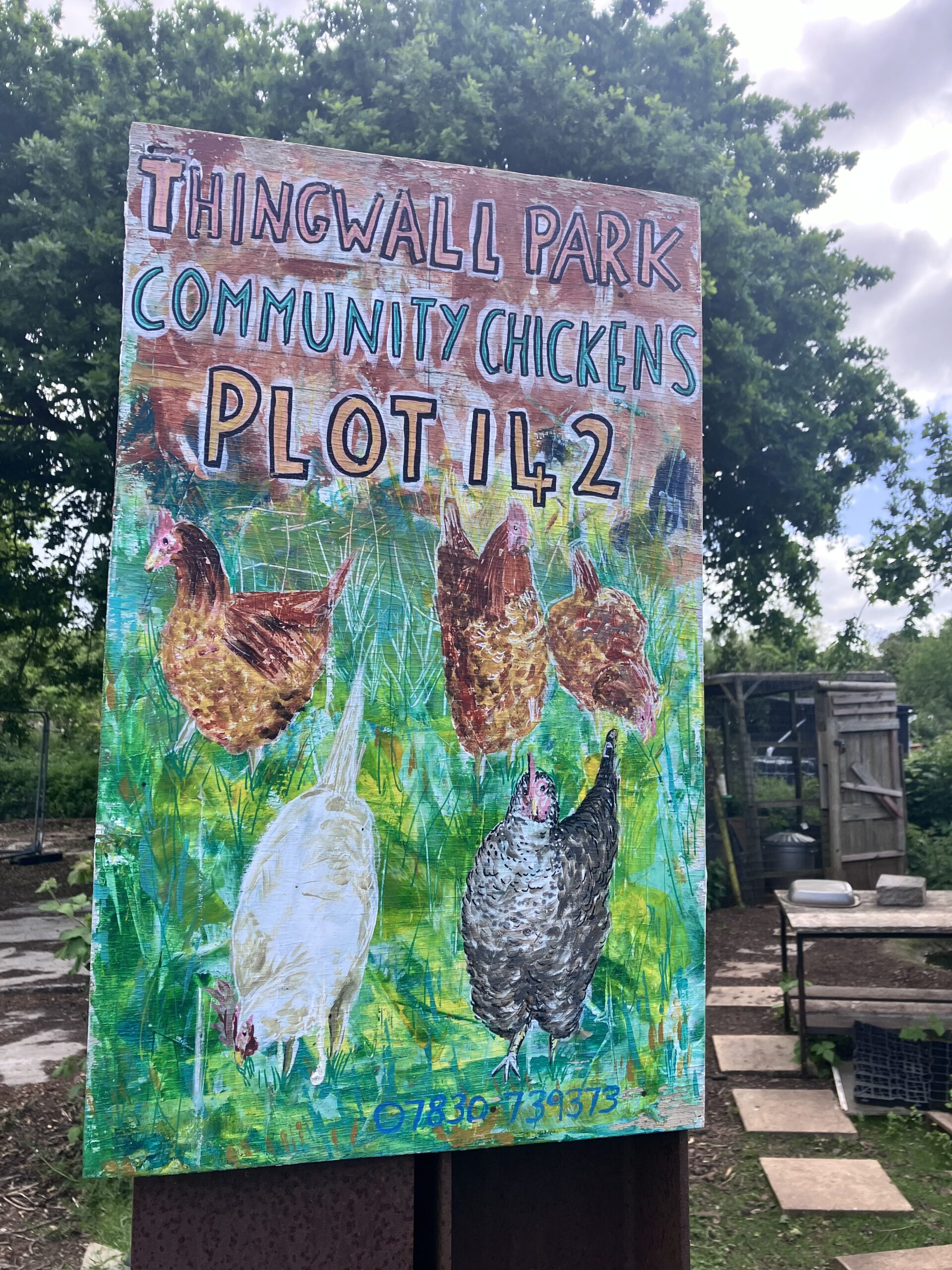
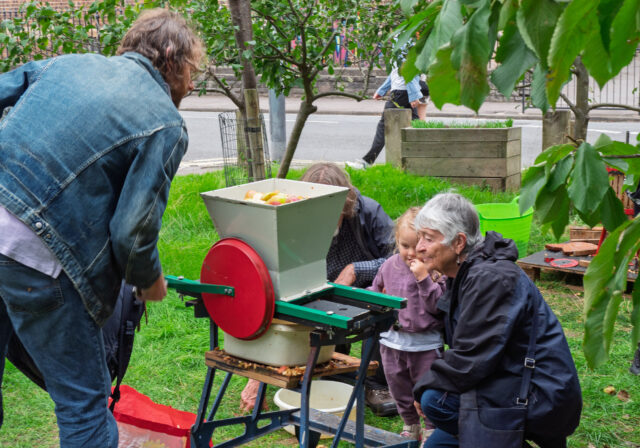
The site now supports multiple food banks, a community orchard, edible hedging, wildlife habitats and accessible growing projects. There’s even a chicken project where members contribute towards feed and vet bills.
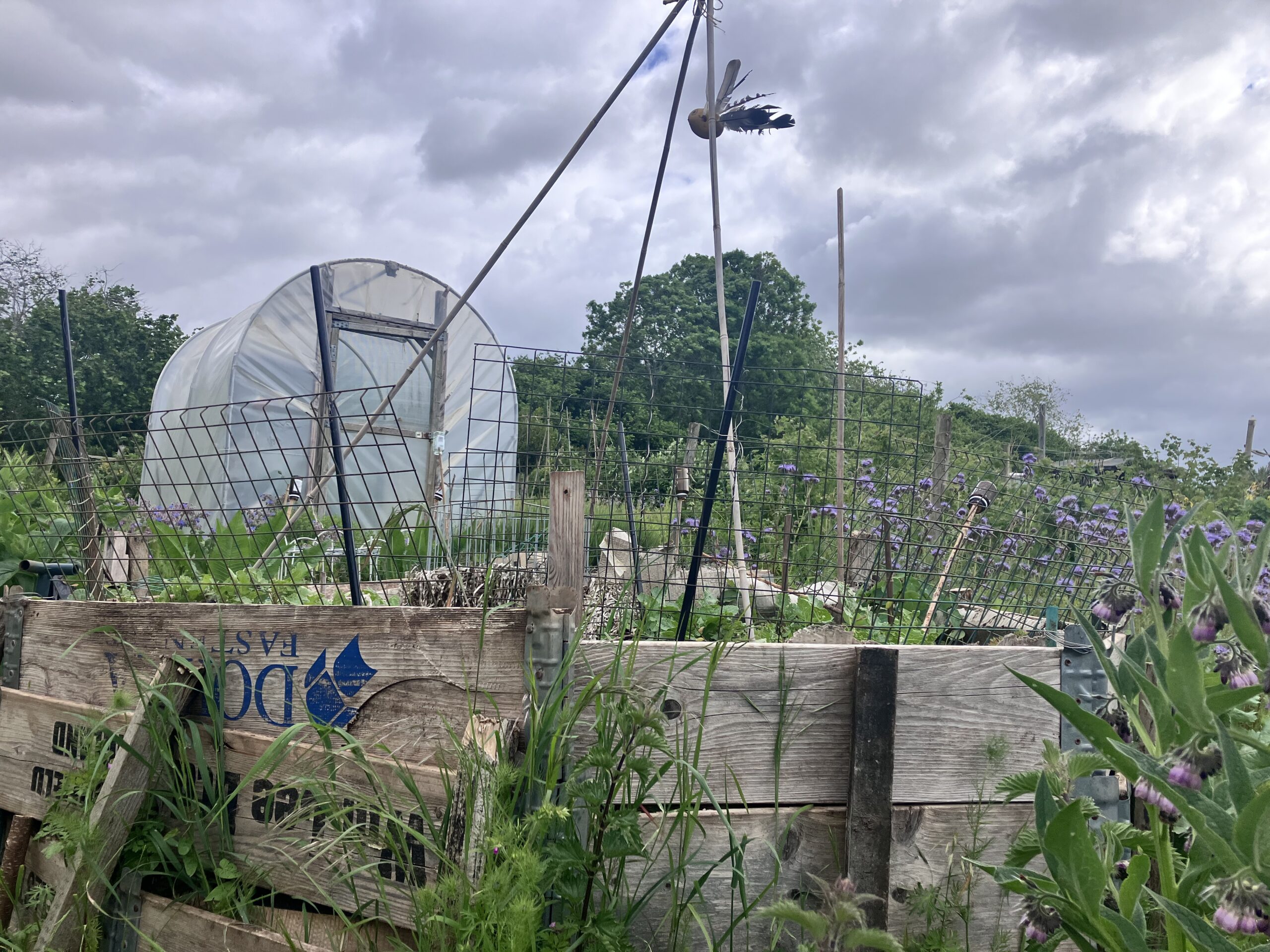
A keyhole garden is a circular raised bed with a small access path cut into it, like the shape of an old-fashioned keyhole. In the centre sits a compost basket where kitchen scraps, green waste and water are added. Nutrients and moisture slowly feed the surrounding soil.
The design is clever because it:
At Thingwall Park, the gardens are built using reclaimed materials including pallets, logs and twigs. Layers of newspaper, compost, grass clippings and organic matter help the beds retain moisture for longer, meaning less watering is needed.
“The lesson we learned,” says Irene sighing “is you need something to stop the foxes getting into the compost basket.”
The beds are currently growing radishes, chives, nasturtiums and potatoes, with plans for carrots, spinach, herbs and beetroot later in the season.
Keyhole gardens were developed in Lesotho, where long droughts and poor soil made food growing difficult. The design proved incredibly successful because the raised beds retained moisture and continuously fed plants through composting.
The technique spread through countries including Kenya, Rwanda and Ethiopia, and is now increasingly used in drought-prone parts of the United States, including Texas.
As climate change brings hotter summers and more unpredictable weather, interest in water-efficient growing methods is growing in the UK too.
Thingwall Park’s volunteers believe keyhole gardens could play an important role in schools and community spaces.
“All schools should have one,” says Irene. “So that children can learn about growing food. Older children can learn about the politics of food as it may be that we will be fighting over it in the future”

Thingwall Park Allotments is the largest allotment site in Bristol, tucked beside woodland and rich in wildlife. Volunteers regularly spot woodpeckers, sparrowhawks and tawny owls among the plots.
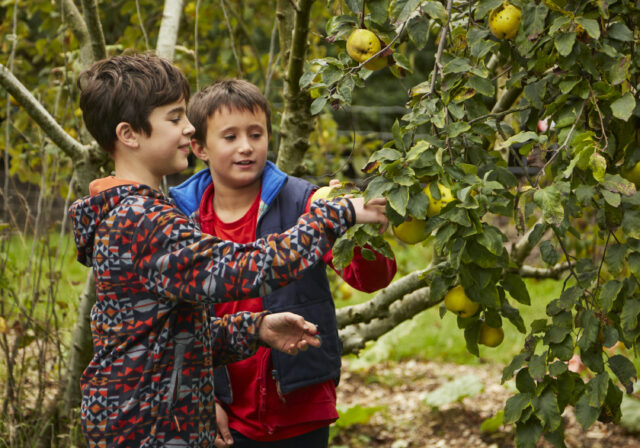
The site also includes a community orchard inspired by Horfield Organic Community Orchard, with espalier apple trees designed for small-space growing and edible hedges planted with blackberry, rosehip and hawthorn.
For many people, though, the allotment is about more than food.
“Children love the raspberries,” says Irene. “People come here to get outside, meet others and feel part of something.”
You don’t need to build a full keyhole garden to get involved in the Grow One Thing challenge. Start with whatever space you have.
You could grow:
The important thing is simply to begin.
Then share your growing journey using #BristolGetGrowing and help inspire more people across the city to grow food, however small the space.
To stay updated on future events, job opportunities and news, don’t forget to sign up for the Bristol Good Food Update at bristolgoodfood.org/newsletter.
So, what change do you want to see happen that will transform food in Bristol by 2030? Do you already have an idea for how Bristol can make this happen? Join the conversation now.
* Required field
Urban Growing

Urban Growing
Urban Growing
Urban Growing


