Urban Growing
Exploring impact with the Community Growers Network
By Ruth Hislop-Gill
Urban Growing
By Ruth Hislop-Gill

Recently, Bristol Food Network (BFN) hosted a Community Growers Network (CGN) peer‑learning session all about Exploring Impact at Windmill Hill City Farm. This workshop was part of our ongoing CGN series, where we dive into different topics that matter to community growers. Previous sessions have focused on volunteer management and fundraising.
Bristol Good Food 2030’s Projects and Impact Coordinator Ruth Hislop-Gill explains more.
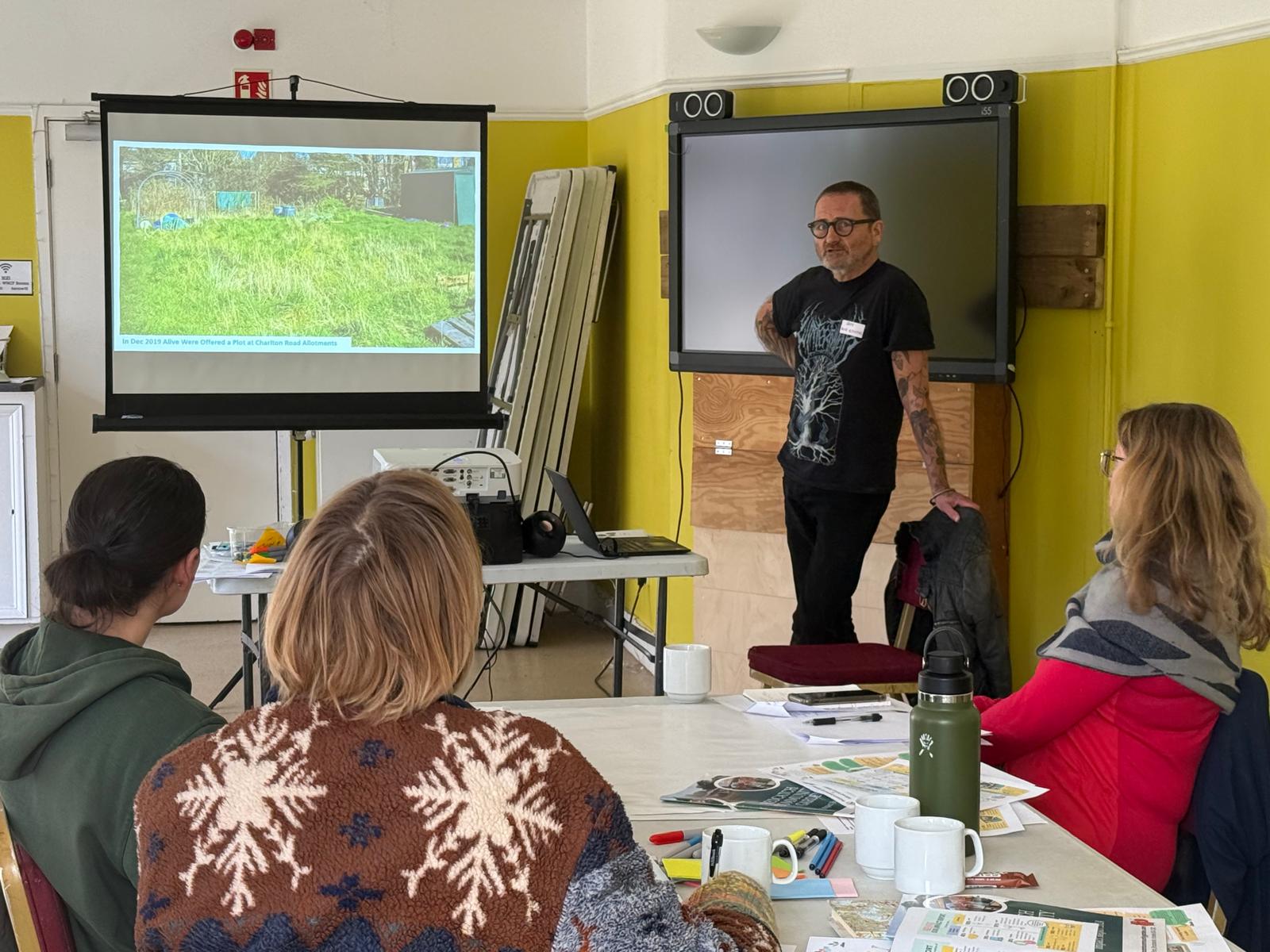
With the funding landscape becoming more challenging, and grants increasingly competitive, the question of how we understand, articulate, and evidence our impact is becoming ever more important. Many organisations know they’re making a difference but capturing that difference in a way that funders understand can be challenging and time consuming.
On a personal note, I’ve been working in the world of impact for a few years now, both at BFN and with the Woodshop of Recycled Delights (WoRD), a small CIC based in London. I’ve experienced first‑hand how tough it can be for small, resource‑strapped organisations to collect, track, and make sense of their monitoring and evaluation data and package it in a way to funders and external stakeholders that generates continued support.
Facilitating this session felt especially meaningful for me. Many of the questions, frustrations, and “aha” moments that surfaced in the room were very familiar. It felt like we were not just discussing impact in theory, but acknowledging the very real, very human challenges that come with trying to evidence it in practice.
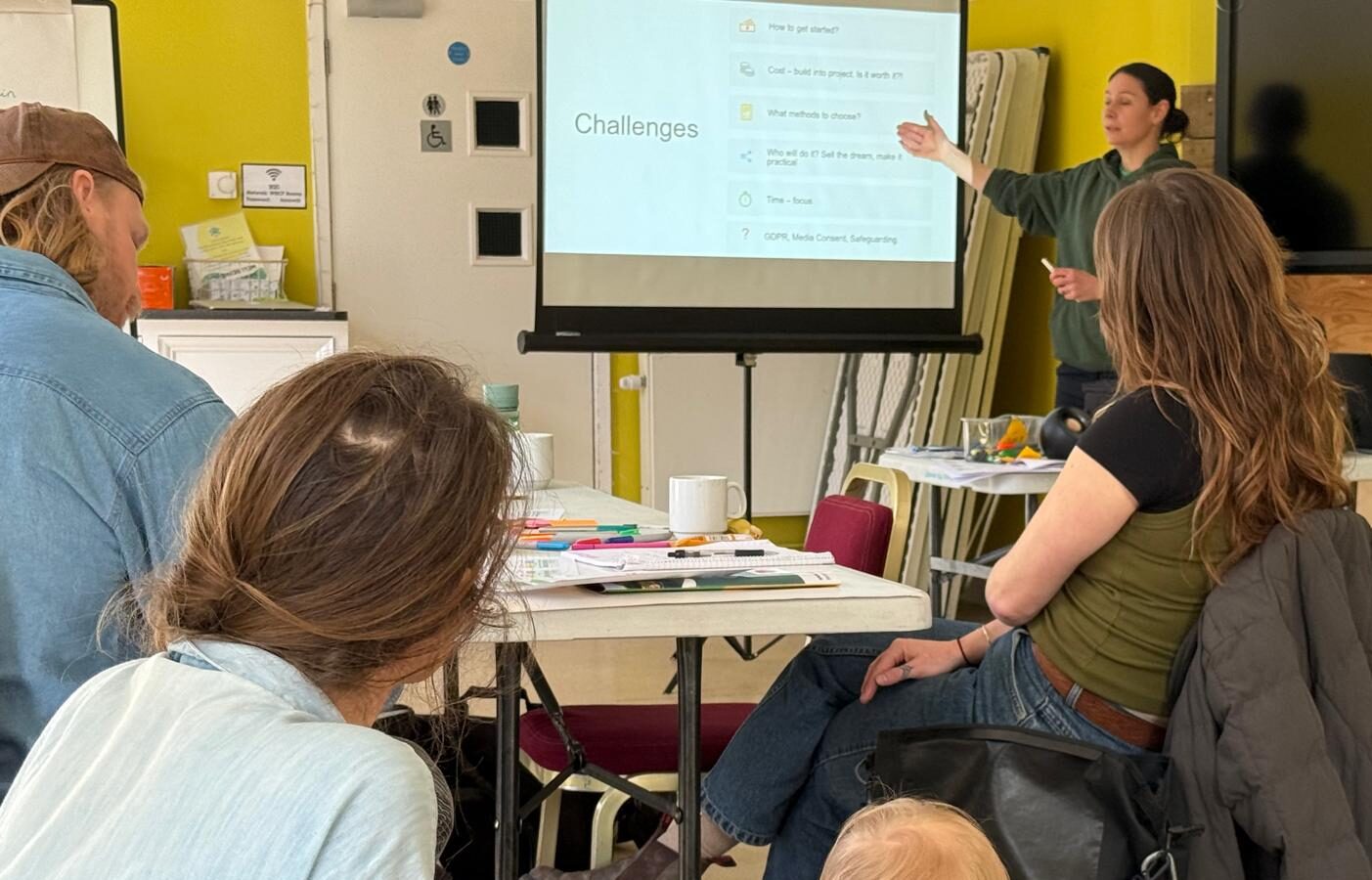
We started things off with two brilliant contributions from Bristol‑based community growing organisations: Kate Swain from Redcatch Community Garden and Guy Manchester from Alive Activities. Both Kate and Guy generously shared their own “impact journeys” and reflected on questions such as:
What really struck me was how creative and inventive these organisations have been in integrating simple impact‑gathering tools into their day‑to‑day activities. From mood boards that participants use before and after sessions, to being alert and proactive in capturing quotes, stories, and case studies as they naturally emerge, there was a lot of clever, doable practice on display.
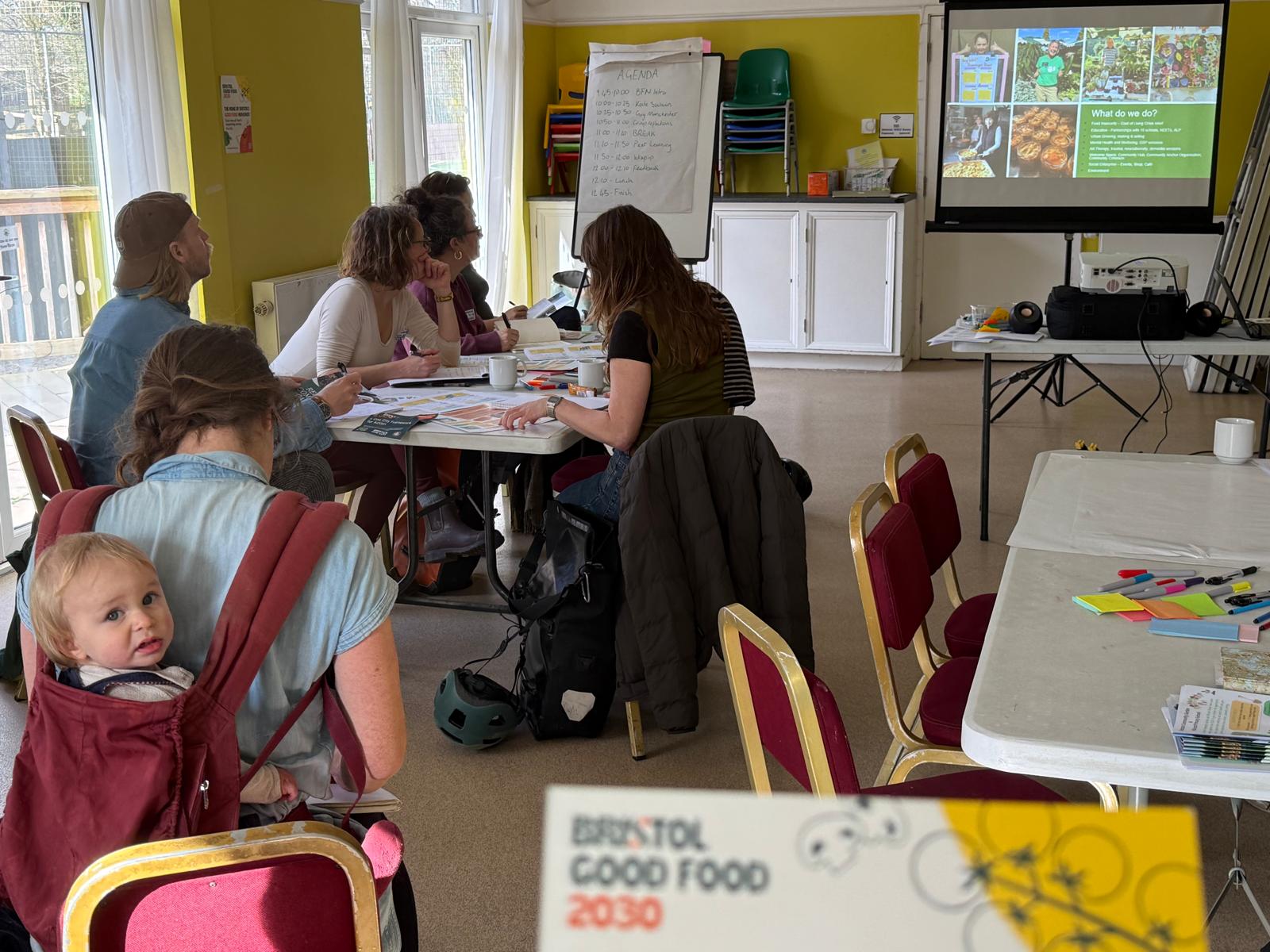
At WoRD, we’ve introduced a simple pre and post session check‑in using a voice recorder. It’s very low‑tech, but produces a steady stream of real stories, reflections, and quotes that are perfect for using in impact reporting.
One of my biggest takeaways from the session was the reminder that impact is about both qualitative and quantitative data. Numbers matter. They’re often what funders look for, but it’s the stories and photos that people really connect to.
In the second half of the workshop, participants broke into table groups to discuss the why, how, and now what of data collection, sharing their own challenges and sticking points with regards to data collection.

Off the back of this workshop, BFN will be pulling together an impact resource based on everything shared and discussed in the workshop.
The aim is to support organisations who are just beginning their impact journey, helping to demystify the process, ease some of the anxieties around “doing it properly,” and offer simple, confidence‑building starting points.
We hope to share this resource in the coming month.
As ever, bringing passionate people together in person to share conversations, challenges, experiences, and a delicious lunch (thank you, Windmill Hill City Farm!) is such a joy. I always come away feeling enriched, grounded, and genuinely touched by people’s honesty and generosity.
Impact can feel like a big, daunting topic, and it’s easy to think you need specialist tools or rigorous systems before you can begin. But if this session reinforced anything, it’s that starting with what you already do is more than good enough. That might be as simple as tracking volunteer hours or capturing one person’s story of how they were feeling before and after an activity.
Impact is an evolving practice, not a perfect science!
If you’re interested in joining the CGN network, please get in touch with Ruth at ruth@bristolfoodnetwork.org.
Watch the Community Growers Network webinar on YouTube from December 2024 about successful volunteer management.
To stay updated on future events, job opportunities and news, don’t forget to sign up for the Bristol Good Food Update at bristolgoodfood.org/newsletter.
So, what change do you want to see happen that will transform food in Bristol by 2030? Do you already have an idea for how Bristol can make this happen? Join the conversation now.
* Required field