
Eating Better
Nourish yourself and nurture our planet
By Nicola Deschamps (ANutr)
Eating Better
By Nicola Deschamps (ANutr)

What we eat not only affects our bodies but also the entire food system. Often called the ‘farm to fork’ process, our food system is extensive and includes production, manufacturing and processing, distribution, retail and marketing, consumption and waste management.
One of the most powerful ways to improve our health and the wellbeing of our planet is through our food choices, such as buying produce grown locally.
Supporting local food initiatives and farms that use sustainable production methods can benefit the environment. Fruit and vegetables picked at peak ripeness and eaten soon after are generally healthier and more nutritious. An immediate benefit of choosing an environmentally friendly diet is better health. A diet rich in plants, including fruits, vegetables, grains such as oats and barley, nuts, seeds and pulses like beans, lentils, and peas, provides essential vitamins and minerals, fibre and healthy fats. These foods have been consistently linked with reduced risk of major chronic diseases, including type 2 diabetes, cardiovascular disease and cancer.
A varied wholefood diet is packed with nutrients and is generally lower in calories and saturated fat and higher in fibre, which collectively help us stay full longer, maintain a stable energy level, support a healthy gut and reduce inflammation. But what is a wholefood diet? In a nutshell, it’s a way of eating that avoids processed, refined foods, added sugars, artificial additives, preservatives and unhealthy fats.
In the UK, the typical intake of meat and dairy exceeds recommended levels. Overall, the UK’s population eats too much of both, with health and environmental consequences. Evidence links a high intake of red and processed meat to an increased risk of bowel cancer. Consuming too much full-fat dairy can raise calorie intake, which may lead to weight gain.
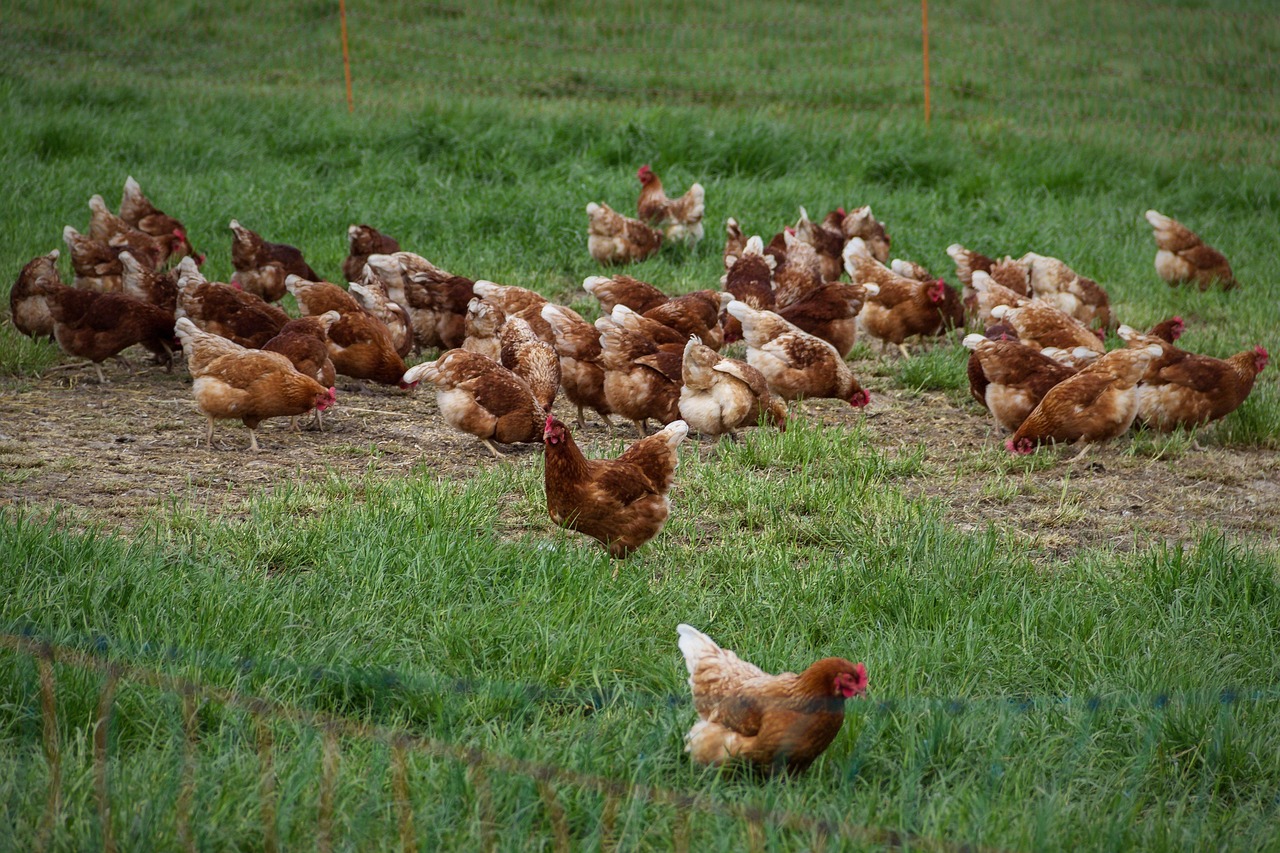
Raising livestock for meat and dairy demands large amounts of land, water and feed. When possible, choose less, but higher-quality meat and dairy from farms that use sustainable, high-welfare methods. This ‘less but better’ approach helps to lessen the environmental impact of livestock and improve welfare standards. When shopping, look for certifications like ‘organic’, ‘RSPCA-assured’, ‘free-range’ and ‘100% grass-fed’. Our choices can help curb habitat loss, increase biodiversity, conserve freshwater supplies, and support a more sustainable and ethical food system.
The best way to reduce meat and dairy consumption is to take small steps. Try a meat-free Monday, opt for a plant-based lunch, or make shakes and smoothies with plant milks. Replace meat in familiar dishes, such as Bolognese, with vegetarian options like lentils, chickpeas or marinated tofu. Mushrooms, jackfruit, squashes and aubergines are vegetables with a substantial ‘meaty’ texture that absorb flavours really well. Try mixing them with spices, herbs, flavoured oils or homemade sauces. Besides the health benefits, a plant-based diet is more affordable, can be equally tasty and lowers the carbon footprint of our meals.
Other factors, such as where our food comes from, who grew it and how, can impact both our health and our planet. Food imported from across the world often contains residues of chemicals that are banned or not approved for use in the UK. Many are grown by low-income farmers who are not paid a fair price for their labour. We can make a difference by choosing to buy local, seasonal food and Fairtrade products, which are more widely available now than ever.
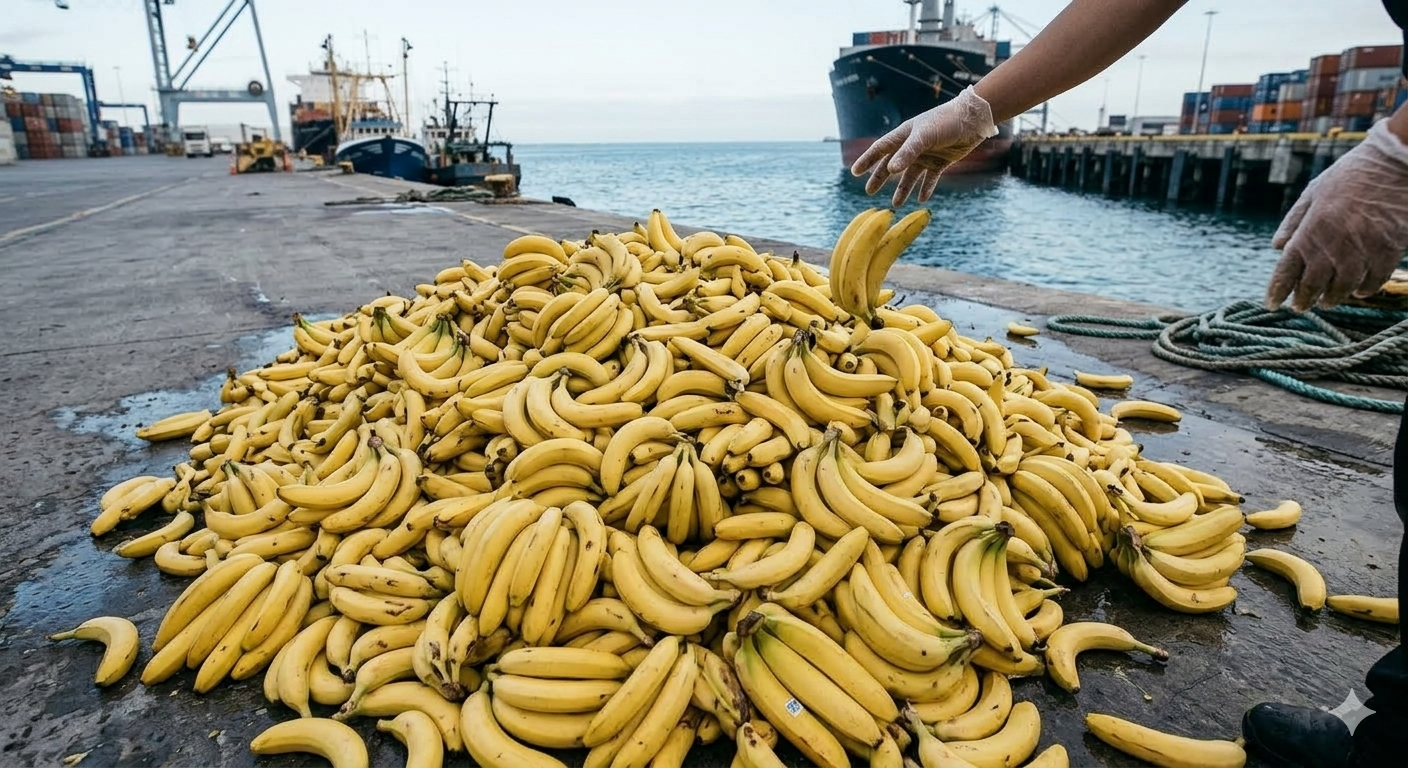
Did you know that the UK wastes around 6 million tonnes of food each year, and that over 70% of it is edible and safe to eat? By cutting down on waste, British households could save approximately £1,000 annually, on average, for a family of four. In 2019, Bristol Waste helped 50 households reduce waste, save money and help the planet in the Waste Nothing Challenge.
Now more Bristol households are taking part in an online challenge: 30 days, 30 ways to reduce your waste. By planning meals ahead, storing food well and using up leftovers, we can reduce food waste and save money too. Buying seasonal fruits and vegetables, batch cooking, composting scraps and thinking twice about what we’re putting in our black ‘landfill’ bins can make a real difference.
Historically, people bought their food from local farmers and producers and would go to their local market to buy fresh produce. Choosing to buy food grown closer to home or from the UK can reduce transport emissions and support the local economy. Buying locally, such as at farmers’ markets, farm shops and independent food producers, ensures the food has been recently made, harvested and grown to British standards.
Use BigBarn to find food producers local to you, search council websites or check local social media pages for weekly/monthly schedules for the location of your local farmers’ markets. Find the location of your nearest farm shop via Fabulous Farm Shops. To boost your confidence in the kitchen, cooking classes are a great way to learn new skills.
Nicola Deschamps is a registered nutritionist (ANutr), author and editor: targeteditorial.co.uk.
Photos from Pixabay.
So, what change do you want to see happen that will transform food in Bristol by 2030? Do you already have an idea for how Bristol can make this happen? Join the conversation now.
* Required field


